Ask five travellers for the best places to visit in Morocco and you’ll get five different answers — and all of them will be right. Within a few hours of each other you can wander a thousand-year-old medina, swim in the Atlantic, sleep under Saharan stars and drink mint tea in a town painted entirely blue. For a first trip, though, five places rise to the top again and again: Marrakech, Fes, Chefchaouen, Essaouira and the Sahara dunes around Merzouga.
This guide walks through each one — what it’s actually like, who it suits, and how to string them together into a route that doesn’t leave you exhausted. Morocco is a warm, rewarding country to travel, and with a little planning it’s an easy one too. If you’re still at the “is it right for me?” stage, start with our full guide to how safe Morocco is for tourists, then come back and pick your places.
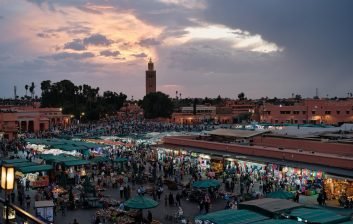
Marrakech: the classic first taste
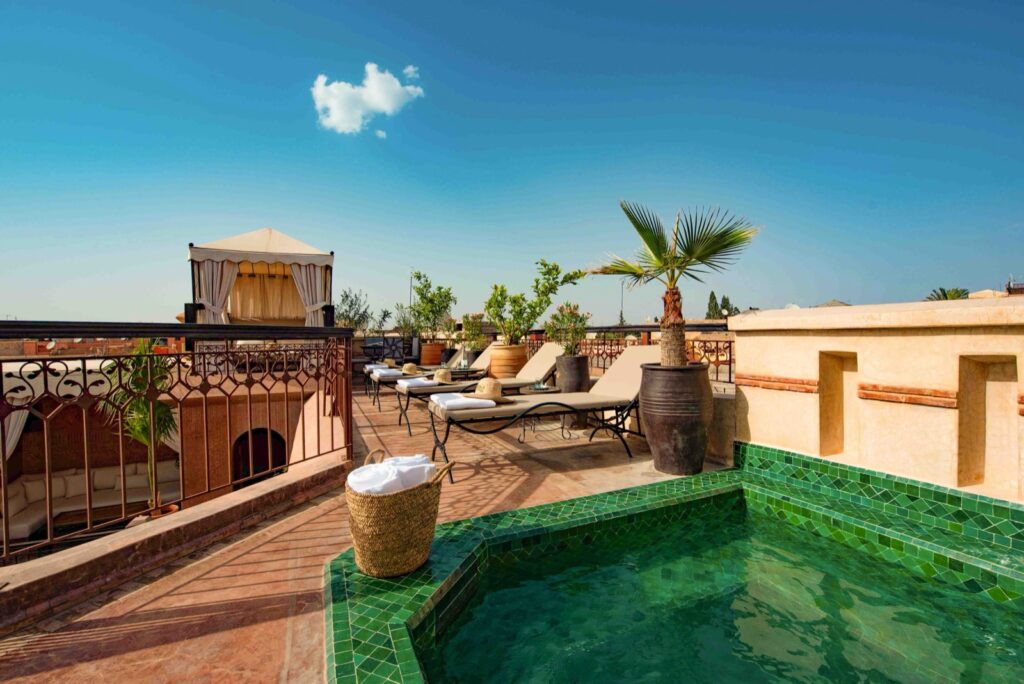
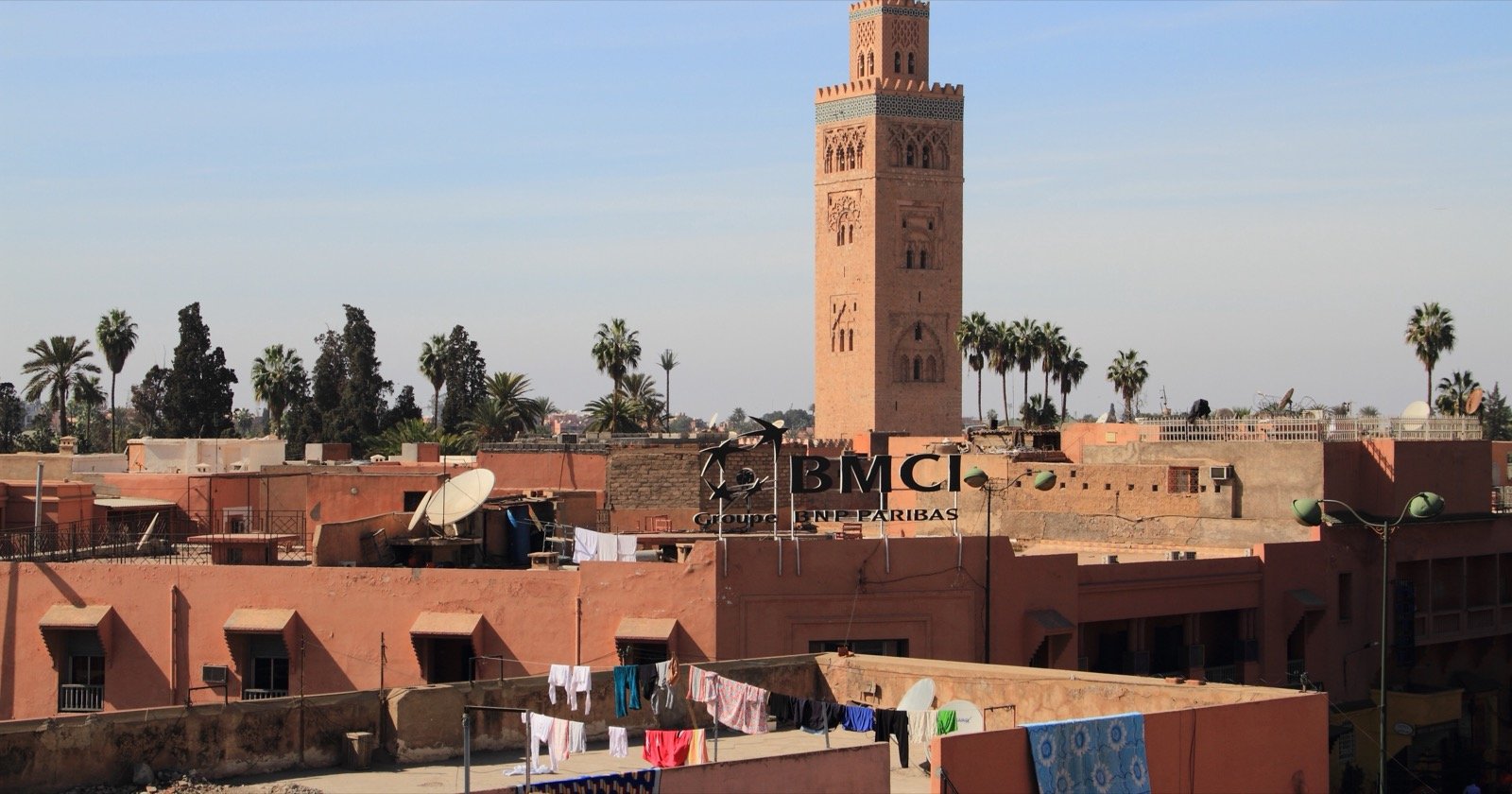
Most first trips start here, and for good reason: Marrakech compresses everything people imagine about Morocco into one walkable, red-walled city. Jemaa el-Fna fills at dusk with grill smoke, storytellers and orange-juice carts; the souks north of the square sell everything from hand-hammered lamps to argan oil; and behind the plainest doors wait some of the most beautiful riads in the country. Give it two or three days — enough for the Bahia Palace, the Jardin Majorelle and at least one gloriously aimless souk wander — and use our day-by-day Marrakech map to shape them. Direct flights from most of Europe make it the natural gateway, and it’s the best-connected base in the country for the Atlas and the coast.
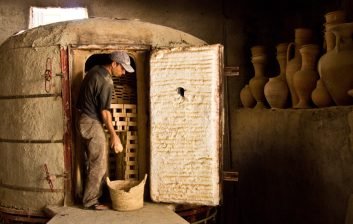
Fes: the deepest medina in the Arab world
Where Marrakech performs, Fes simply carries on. Fes el-Bali, the old city, is one of the largest car-free urban areas on earth — thousands of lanes where donkeys still make the deliveries, coppersmiths still hammer in Place Seffarine, and Al Quaraouiyine, founded in 859, is often cited as the world’s oldest continuously operating university. Watch the dye pits of the Chouara tannery from a leather-shop terrace, step into the carved cedar courtyard of the Bou Inania madrasa, and accept early that getting a little lost isn’t a risk here — it’s the itinerary. The lanes funnel back to the main arteries, and a polite “la, shukran” gracefully handles any guidance you didn’t ask for. Two full days is the minimum that does it justice.
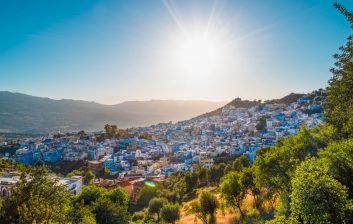
Chefchaouen: the blue town in the Rif mountains
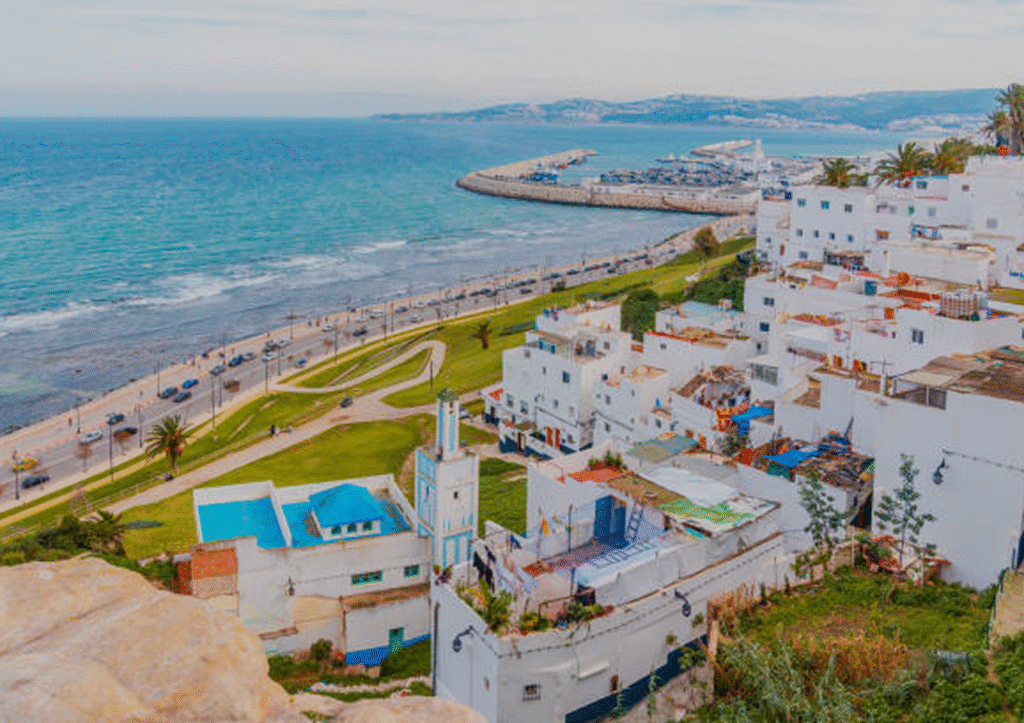
Founded in 1471 and tucked into the Rif range in Morocco’s far north, Chefchaouen is the town from every photograph — walls, steps and doorways washed in a hundred shades of blue. There’s no airport and no train station, which is exactly why it stays gentle: most visitors arrive by bus, around four hours from Fes or three from Tangier. The joy here is unstructured — slow mornings with the lanes to yourself before the day-trippers arrive, goat’s cheese and olives in the Plaza Uta el-Hammam, and the short evening walk up to the Spanish Mosque for the best sunset view of the blue town glowing below. Stay two nights; a rushed day trip misses everything that makes it special.
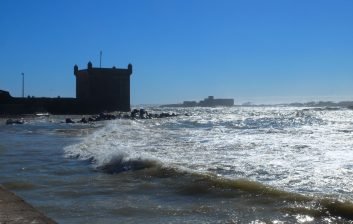
Essaouira: Atlantic wind and Gnaoua rhythm
Under three hours from Marrakech by road, Essaouira is where Morocco exhales. The UNESCO-listed medina is compact and easy-going, the harbour is a working tangle of blue fishing boats and impatient gulls, and sardines come straight off the grill at the port. The steady Atlantic trade wind keeps summer refreshingly cool — and keeps the kitesurfers airborne — while the town’s art galleries and hypnotic Gnaoua music give it a creative pulse all its own; our Essaouira culture guide goes deep on that side of town. It’s the perfect recovery chapter after the intensity of the big medinas, and many travellers’ surprise favourite.
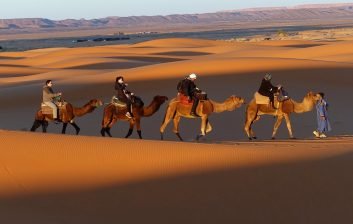
The Sahara: dunes, silence and the best sky you'll ever sleep under
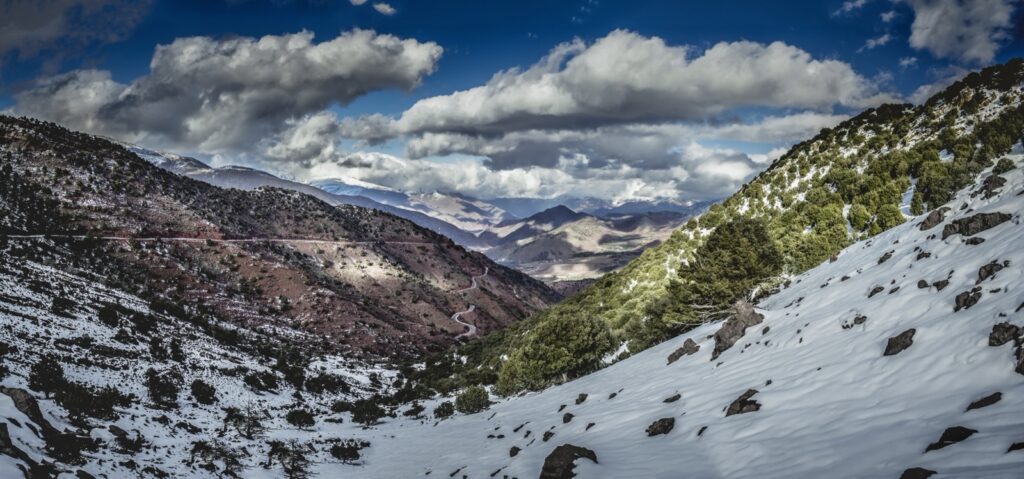
The dunes of Erg Chebbi, near the village of Merzouga, rise well over a hundred metres and turn deep orange at sunset — and sleeping among them is the single most memorable night most visitors have in Morocco. The classic way in is a three-day circuit from Marrakech: over the Tizi n’Tichka pass at more than 2,200 metres, past the mud-brick ksar of Aït Benhaddou and through the sheer walls of the Todra Gorge, then by camel from Merzouga to a desert camp for dinner, drumming and a night sky with no light pollution for miles. It’s a lot of driving, and it is worth every winding hour.
How to link them: the shape of a great route
Morocco’s distances are friendlier than the map suggests, and the transport between these five places is genuinely good. A useful trick: many Sahara circuits run Marrakech to Merzouga and finish in Fes, which strings the desert between the two great imperial cities instead of forcing you to backtrack.
- One week: Marrakech (three nights) → Essaouira (two) → back to Marrakech to fly home, with an Atlas or Ourika Valley day trip in between.
- Ten days: Marrakech (three) → three-day Sahara circuit ending in Fes → Fes (two) → train onward to Casablanca or fly out.
- Two weeks: add the north — Chefchaouen (two) and Tangier (one) — then ride the high-speed line back down the coast.
Trains connect the big cities comfortably — our guide to riding Al Boraq and ONCF like a local covers tickets, classes and the routes worth booking ahead — while CTM and Supratours buses reach Chefchaouen, Essaouira and the desert towns reliably and comfortably.
Match the mix to your trip
Marrakech plus Essaouira is the classic starter pairing — maximum contrast, minimum transit, one airport.
Base yourself in Fes, add Chefchaouen and a half day in Meknes. Fewer crowds, deeper history, slower rhythm.
Build the trip around the Merzouga circuit and treat Marrakech and Fes as the bookends either side of the dunes.
Essaouira’s beach and calm medina carry the trip; take Marrakech in short, early-morning doses and save the desert for kids old enough to enjoy the long drives.
Arrive connected, explore on your own terms
The single best thing you can do before flying is sort your phone. Install a Morocco eSIM before you leave — packs start from $9 for 10 GB, with 15 GB and 20 GB options for longer routes — and your maps, bookings and family group chat work the moment you land, with no airport kiosk queue in between.
Pair it with the Stay Safe Morocco app: every local emergency number stored offline and dialable in one tap, your embassy’s details ready under My Embassy, and SOS, which logs your exact GPS position while it connects you to Morocco’s own emergency services. Share Live Location with your Trusted Circle back home, and let Trip Planner check-ins tell them you’ve arrived at each stop — so you can disappear happily into the Fes medina while the people who love you watch a reassuring little dot from their sofa.
The numbers to know, wherever you go
You will almost certainly never need these — for most travellers the biggest emergency in Morocco is deciding on a second pot of mint tea — but knowing them is part of travelling with confidence:
112 works from any mobile phone, even without a Moroccan SIM or any credit — worth remembering on day one, before your data is set up.
The bottom line
The best places to visit in Morocco aren’t a secret — Marrakech, Fes, Chefchaouen, Essaouira and the Sahara top every list because each one delivers something the others can’t. The real skill is resisting the urge to cram: pick three for a week, all five for two, link them by train and bus, and land with your eSIM already working and the emergency numbers already in your pocket. Then give Morocco the thing it rewards most generously — your full, unhurried attention.
Frequently asked questions
How many days do you need to see the best places in Morocco? Ten days to two weeks covers all five headline destinations comfortably. With one week, choose three — most first-timers pair Marrakech and Essaouira with either Fes or a three-day Sahara circuit.
Which is better for a first visit, Marrakech or Fes? Marrakech is easier: more direct flights, more accommodation, and simple day trips to the Atlas and the coast. Fes is deeper and more traditional. Ideally take the train and do both; if you must choose, start with Marrakech and save Fes as your reason to return.
When is the best time to visit Morocco? Spring (March to May) and autumn (September to November) bring the most comfortable weather everywhere, including the desert. Summer is hot inland but pleasant on the coast in Essaouira, and winter is mild in the cities with genuinely cold desert nights.
Can you visit the Sahara without joining a tour? Yes — you can drive or take a bus to Merzouga and book a dune camp directly. That said, most first-time visitors take a three-day circuit from Marrakech or Fes, because the mountain passes, Aït Benhaddou and the Todra Gorge along the way are half the experience.
Do you need a car to travel between these places? No. Trains link Tangier, Fes, Meknes, Rabat, Casablanca and Marrakech, and reliable CTM and Supratours buses cover Chefchaouen, Essaouira and the desert towns. A car only becomes useful for remote Atlas valleys and flexible desert routes.
🛡 Land in Morocco already connected — and safe
Every StaySafe Morocco eSIM comes with free Family SOS: one tap to reach emergency help and share your live location with your family. No data cap, keep your number, from $20.79.
Get your eSIM + Family SOS →Before you go — related guides
- Is Morocco safe for tourists?
- Emergency numbers in Morocco
- Common scams in Morocco & how to avoid them
- How to get internet & mobile data in Morocco
- How to get a SIM / eSIM in Morocco
- Best eSIM for Morocco: plans & prices
- Buy a Morocco eSIM — no data cap, your dates
- Morocco eSIM setup: device check & activation
- What is an eSIM and how does it work?
Explore Morocco — city guides
- Agadir
- Best Things to Do in Marrakech: The Essential Guide
- Casablanca
- Chefchaouen
- El Jadida
- Essaouira Culture Guide: Gnaoua Music, Art & Local Life
- Essaouira
- Fes
- Marrakech in Summer: Pools, Heat & How to Stay Cool
- Marrakech
- Meknes
- Nador
- Ouarzazate
- Oujda
- Places to Visit in Marrakech: A First-Timer’s Day-by-Day Map
- Rabat
- Safi
- Tangier
- Tétouan