Here’s the reassuring truth up front: the common scams in Morocco are famous precisely because they’re so predictable. Once you know the handful of moves to watch for, they go from “stressful surprise” to “oh, this one again” — and a polite, firm “no” handles almost all of them. None of these are dangerous. They’re mostly creative ways to separate a friendly, slightly-lost tourist from a bit of cash, and every single one has a simple counter.
This is your friendly rundown of the well-known Morocco tourist scams — what each one looks like, and the exact move that defeats it. (For the bigger picture, see our pillar guide, Is Morocco safe for tourists?.)
First, the mindset that beats almost everything
Most scams rely on three things: you’re new here, you can’t easily check what a fair price is, and you feel awkward saying no. Fix those and the rest takes care of itself.
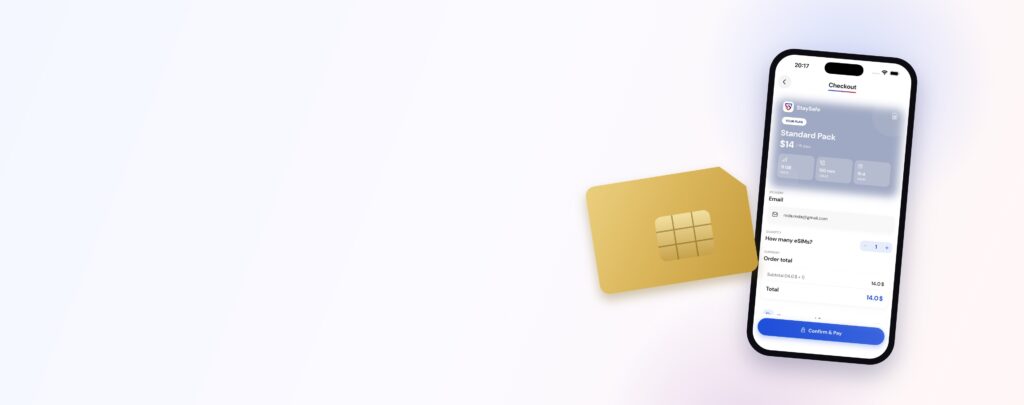
- Arrive connected. Having data on your phone means you can check a map, a price, or a translation on the spot — which quietly defuses most of the tricks below. A Morocco eSIM means you land already online, no hunting for a shop.
- Get comfortable with a friendly “no.” A smile, “La, shukran” (“no, thank you”), and continuing to walk is the single most useful tool in Morocco. It’s not rude — it’s expected.
- Agree the price first. For anything — a taxi, a henna design, a “guide” — confirm the number before it happens, not after.
The well-known scams, and how to sidestep each
Fake “guides” in the medina
A friendly local strikes up a chat, then appears to walk with you “just being helpful” — and at the end expects to be paid as a guide. The move: be polite but clear you don’t need a guide. If you do want one, book a licensed guide rather than accepting a stranger in the street.
“This way is closed” / “the tannery is this way”
Someone tells you the road ahead is shut, the square’s the other way, or the famous tannery is “just down here” — then steers you to a shop or a dead end where a tip is expected. The move: trust your map, not strangers redirecting you. A quick glance at your phone (you’re connected, remember) settles it instantly. Thank them and carry on.
The henna ladies
A woman near a busy square offers to “decorate” your hand, sometimes starting before you’ve agreed. Then comes a steep price — and some henna can irritate skin. The move: keep your hands to yourself and decline early. If you genuinely want henna, agree the design and exact price first, and only with someone you sought out.
Unmetered or overpriced taxis
A driver quotes a flat (high) fare, or “forgets” to start the meter. The move: for petit taxis, ask for the meter — “compteur, s’il vous plaît.” If they won’t, agree a price before you get in, or wave the next one down. Knowing the rough fare beforehand (a quick check on your phone) makes you un-overchargeable.
Carpet and shop high-pressure selling
You’re welcomed in for mint tea, then face a warm but relentless pitch — five carpets unrolled, prices that “only for you” keep dropping. The move: it’s fine to enjoy the tea and still leave with nothing. Decide your firm limit before you walk in, and if you’re not buying, say so kindly and leave. “I’m just looking today” is a complete sentence.
“Free” gifts pressed into your hand
A sprig of mint, a bracelet, a little keyring — pressed into your palm “as a gift,” then a payment is demanded. The move: don’t accept items handed to you unprompted. A smile and “no thank you,” hands kept to yourself, ends it.
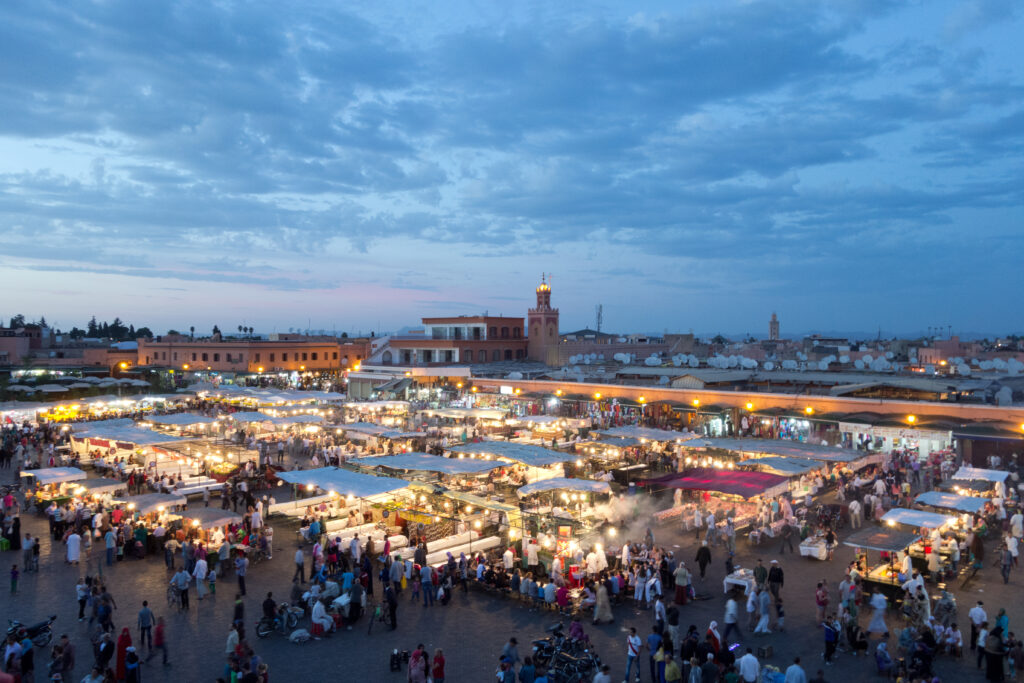
Photos with monkeys and snakes at Jemaa el-Fnaa
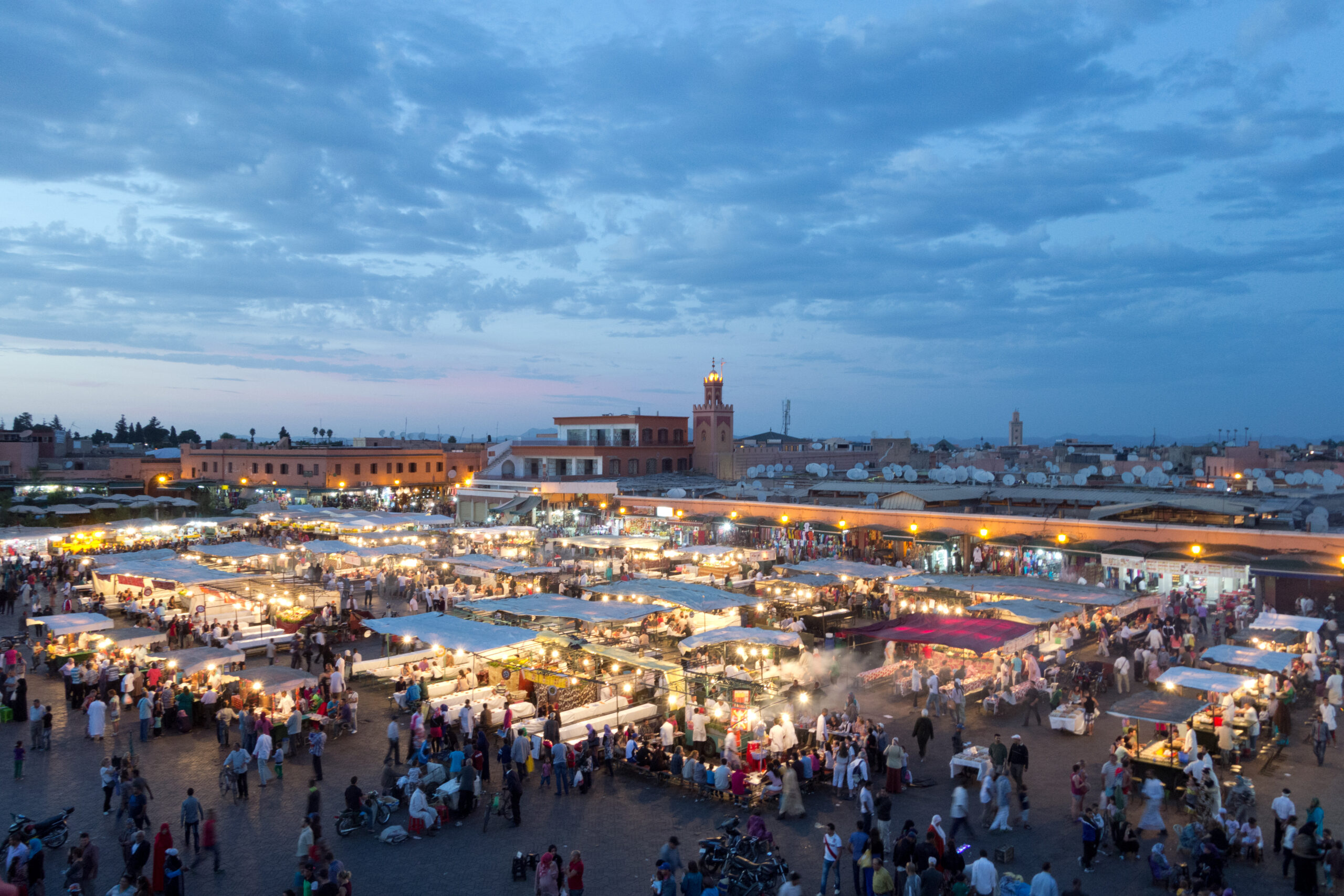
The handlers will drape a monkey on your shoulder or a snake around your neck for a “quick photo,” then ask for a surprisingly large fee — and it’s not great for the animals either. The move: don’t stop, don’t let anything be placed on you, and keep walking. Even photographing the performers from a distance can prompt a request for money, so be aware.
ATM, card and currency-exchange tricks
Watch for “helpful” strangers at ATMs, machines that suggest a poor “conversion” rate (always choose to be charged in dirhams, not your home currency), and street money-changers offering rates that are too good to be true. The move: use ATMs inside or attached to banks, cover your PIN, decline currency conversion at the machine, and change money only at official bureaux.
Overpaying simply because you can’t check prices
Not really a scam — just the natural tax on not knowing what things cost. The move: information is the cure. With data on your phone you can check a map distance, a typical taxi fare, or a souvenir’s going rate in seconds, which makes confident, friendly haggling much easier.
Quick reference: scam → how to avoid it
Politely decline; book a licensed guide if you want one.
Trust your map, not strangers; thank them and walk on.
Keep hands to yourself; agree design and price first if you want it.
Ask for the meter, or agree the fare before getting in.
Enjoy the tea, set your limit, leave freely — “just looking” is a complete sentence.
Don’t accept unprompted items; smile and decline.
Don’t stop or let anything be placed on you; keep walking.
Use bank ATMs, choose dirhams, change at official bureaux only.
Check prices, maps and fares on your phone first.
How StaySafe Morocco helps you sidestep these
You don’t need an app to handle a street vendor — a friendly “no” does that. But two things in StaySafe Morocco make the whole experience smoother:
- A safety map that flags known scam and high-risk hotspots. StaySafe warns you when you’re entering a zone our team has marked, and those alerts reach you even when the app is closed — handy in the busiest parts of a medina.
- Landing connected via an Morocco eSIM so you can check maps, prices and translations the moment something feels off — which, as you’ve seen, defeats most of these tricks on the spot.
The bottom line
The common scams in Morocco are an annoyance, not a danger. They thrive on hesitation and not knowing the going rate — so come informed, stay connected, and keep a warm-but-firm “no, thank you” ready. Do that and you’ll spot every one of these coming, brush it off, and get back to enjoying the souks, the food and the colour that make Morocco unforgettable. For a city-specific look, read our Marrakech safety guide, and for the full safety picture see Is Morocco safe for tourists?. And keep the emergency numbers in Morocco saved, just in case.
Frequently asked questions
What is the most common scam in Morocco? The most common are “fake guide” and “misdirection” scams in the medinas — a stranger walks you somewhere then expects payment, or tells you the way ahead is “closed” to steer you to a shop. Both are harmless and easily handled: trust your map, decline politely, and keep walking.
Are Marrakech scams dangerous? No. Marrakech scams are about money, not safety — overpriced taxis, henna ladies, animal photos at Jemaa el-Fnaa, and shop hard-sells. A firm, friendly “no, thank you” and walking on resolves almost all of them.
How do I avoid being overcharged by taxis in Morocco? Ask the driver to use the meter (“compteur”), or agree the fare before you get in. Knowing the rough cost in advance — a quick check on your phone — makes it easy to refuse an inflated quote and flag the next taxi instead.
Should I accept a “free” gift or henna in Morocco? Be cautious. Items pressed into your hand “as a gift,” or henna started without a price agreed, usually end with a demand for money. Keep your hands to yourself, decline early, and only accept something once you’ve agreed the price yourself.
Does having an eSIM help avoid scams in Morocco? Yes, indirectly. With mobile data you can check maps, taxi fares, translations and prices on the spot, which defuses misdirection and overcharging tricks. An eSIM lets you land already connected, with no need to find a shop first.
🛡 Land in Morocco already connected — and safe
Every StaySafe Morocco eSIM comes with free Family SOS: one tap to reach emergency help and share your live location with your family. No data cap, keep your number, from $20.79.
Get your eSIM + Family SOS →Explore Morocco — city guides
- Agadir
- Best Places to Visit in Morocco: A First-Timer’s Shortlist
- Best Things to Do in Marrakech: The Essential Guide
- Casablanca
- Chefchaouen
- El Jadida
- Essaouira Culture Guide: Gnaoua Music, Art & Local Life
- Essaouira
- Fes
- Marrakech in Summer: Pools, Heat & How to Stay Cool
- Marrakech
- Meknes
- Nador
- Ouarzazate
- Oujda
- Places to Visit in Marrakech: A First-Timer’s Day-by-Day Map
- Rabat
- Safi
- Tangier
- Tétouan