Oui — Rabat est sûre pour les visiteurs, et c’est l’une des grandes villes marocaines les plus faciles pour une première arrivée. C’est la capitale : le Parlement, le Palais royal et près de soixante-dix ambassades tiennent dans quelques kilomètres carrés, ce qui vaut à la ville une présence policière visible et tranquille, et des rues qui restent ordonnées. Les risques réels ici, ce sont un pickpocket dans un marché bondé, un chauffeur de taxi qui préférerait ne pas mettre son compteur, et les vagues de l’Atlantique — pas ce que les voyageurs imaginent avant de réserver.
Cela ne veut pas dire que vous pouvez débrancher votre jugement. Rabat est une ville qui travaille, bien plus d’un million d’habitants entre Rabat, Salé et Témara, et les réflexes que vous auriez à Lisbonne ou à Naples suffisent parfaitement ici. Voici la version honnête : les quartiers où loger et ceux qui n’ont rien à vous offrir, les arnaques que vous croiserez vraiment, le fonctionnement réel des taxis et du tramway, ce qui change à la nuit tombée, ce à quoi peuvent s’attendre les voyageurs en solo et les femmes seules, et les trois numéros à enregistrer avant de partir.
La réponse courte
Sûre, et nettement moins sollicitante que la moyenne marocaine — parcourez librement la médina et la Kasbah en journée, rentrez tard en petit taxi bleu au compteur, gardez votre téléphone hors de la main dans la foule, et votre séjour sera vraiment facile.
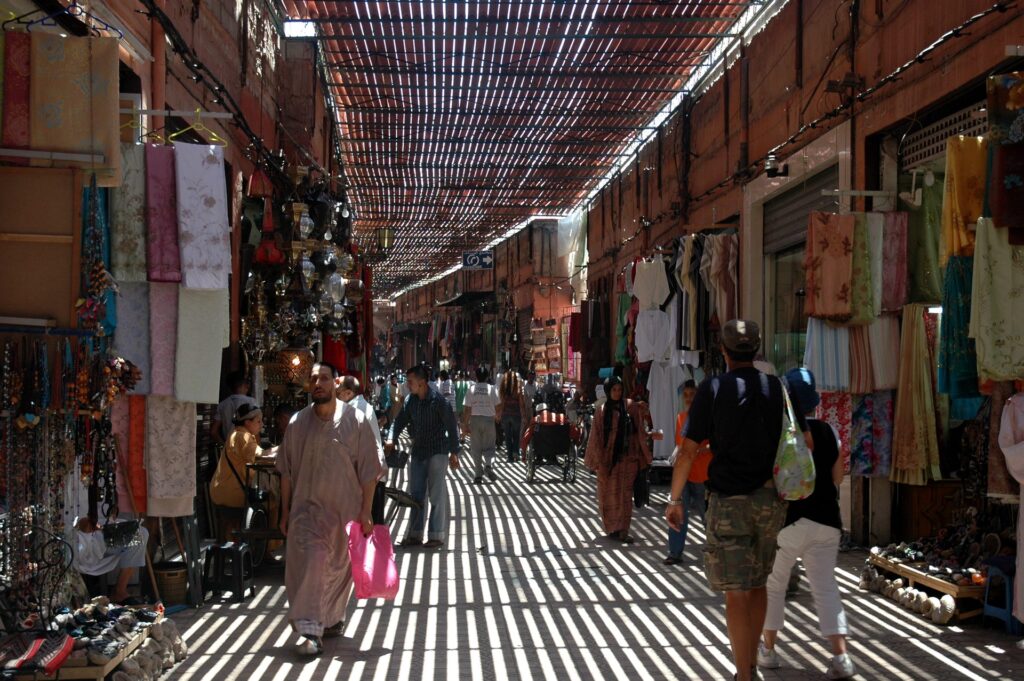
Rabat a une qualité que les nouveaux venus remarquent en une heure : personne ne vous court après. La médina est petite, tracée presque en damier par des réfugiés andalous au XVIIe siècle, et il est quasi impossible de s’y perdre vraiment — une expérience très différente de Fès. Les commerçants de la Rue des Consuls vous hèlent, mais ils vous laissent partir. Tout le cœur historique est classé au patrimoine mondial de l’UNESCO depuis 2012, et la ville est habituée à des étrangers qui y vivent plutôt qu’ils n’y passent, ce qui change la température de chaque échange.
La délinquance qui touche les visiteurs est opportuniste et vise les biens, pas la confrontation : une main dans un sac dans une rame de tramway bondée, un téléphone attrapé sur une table de café, un scooter qui frôle un trottoir où quelqu’un filme. Les agressions violentes contre les touristes sont rares, et Rabat paraît systématiquement plus calme après la tombée de la nuit que Casablanca ou Marrakech. Pour le tableau national, notre guide complet de sécurité au Maroc couvre l’ensemble du pays ; si vous cherchez des choses à voir plutôt qu’un verdict sur la sécurité, c’est un guide distinct.
Rester connecté à Rabat
Un téléphone qui fonctionne est l’outil de sécurité le plus concret que vous puissiez emporter. C’est lui qui vous permet de montrer à un chauffeur de taxi exactement où vous allez au lieu de négocier en trois langues, d’ouvrir une carte quand un nom de rue disparaît, d’appeler 19 sans chercher un numéro, et de laisser quelqu’un, à la maison, voir que vous êtes bien rentré. Le Wi-Fi de l’aéroport et le routeur de votre riad ne vous suivent pas dans une ruelle de la médina.
La solution la plus simple est une eSIM Maroc installée avant le départ : elle arrive par e-mail sous forme de QR code et se connecte dès l’atterrissage, avec des données illimitées, deux heures d’appels et une assistance 24/7. Vous choisissez la durée de votre voyage et le nombre de voyageurs, et vous pouvez voir ce que cela coûte sur la page eSIM Maroc. Associez-la à notre application iOS gratuite, qui place SOS en un seul geste, les vrais numéros d’urgence du Maroc et l’essentiel utilisable hors ligne sur votre écran d’accueil. Si vous préférez d’abord comparer les options, nous avons écrit tout un article sur pourquoi une eSIM est un outil de sécurité, pas seulement des données.
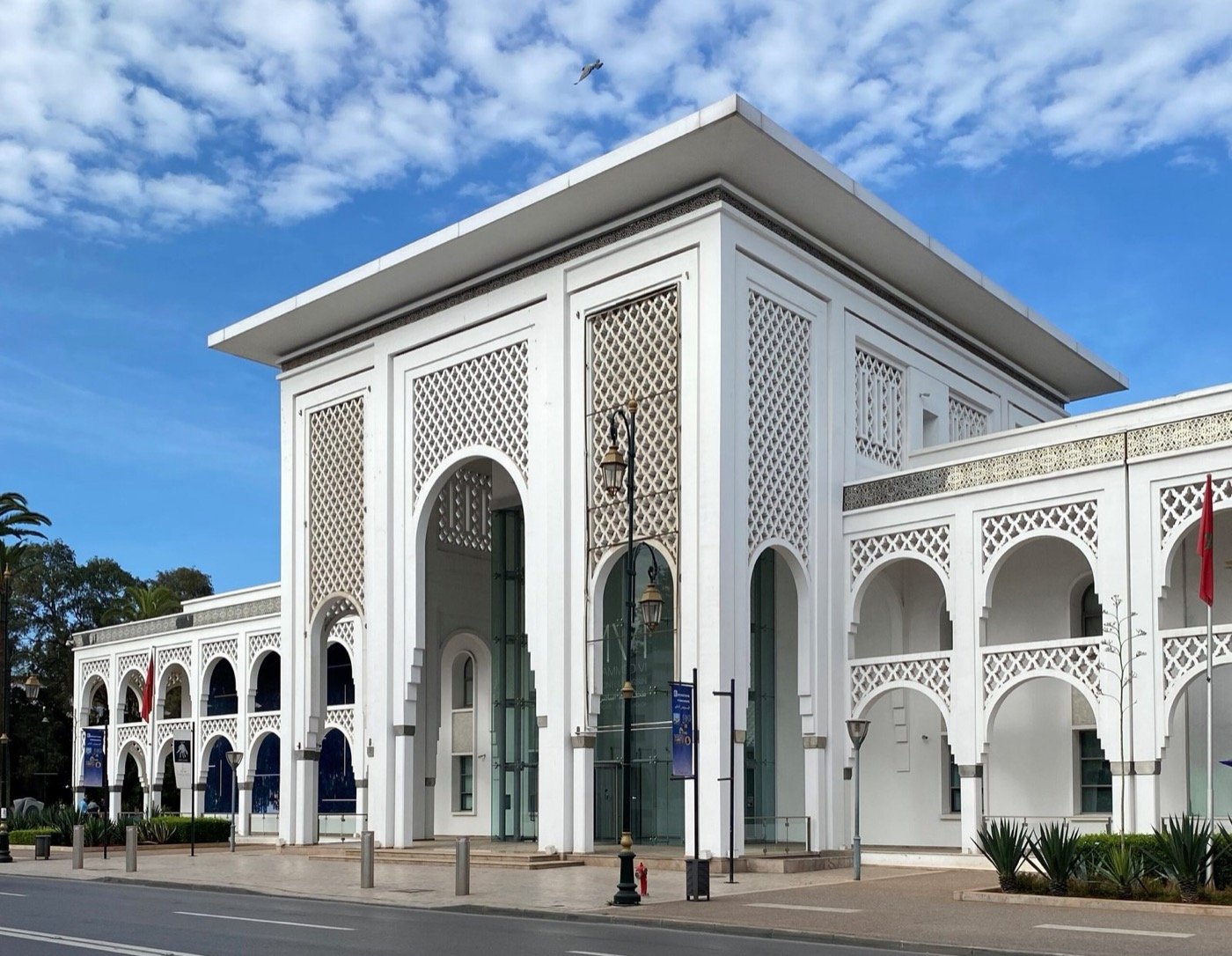
Où loger, et où rester vigilant
C’est la question que toutes les autres pages sur Rabat esquivent. Voici de vrais quartiers, classés en trois niveaux honnêtes. Une précision d’abord : les quartiers du troisième niveau sont des endroits ordinaires où des familles vivent et travaillent, pas des zones interdites. Le point, c’est qu’ils n’ont rien à offrir à un visiteur, et qu’un touriste perdu dans ces rues à minuit se remarque, tout simplement.
Agréable de jour comme de nuit. Si c’est votre premier séjour au Maroc, logez dans l’un de ces quartiers et vous n’aurez plus à y penser.
Le quartier le plus agréable à vivre de la ville : de larges avenues, des étudiants, des fonctionnaires, et des terrasses de cafés et de restaurants le long de l’avenue Fal Ould Oumeir qui restent animées bien après vingt-deux heures. Une foule mélangée, un bon éclairage, une ligne de tramway qui le traverse. L’endroit le plus facile de Rabat pour sortir tard.
L’épine dorsale du centre, entre la médina et Agdal, qui rassemble le Parlement, la cathédrale, la gare de Rabat Ville et la plupart des hôtels de gamme moyenne. De larges trottoirs, un flux de piétons constant, de la police aux carrefours. De là, vous rejoignez à pied la médina, la Tour Hassan et le mausolée Mohammed V.
Un quartier moderne et planifié, fait de bureaux, d’ambassades et du centre commercial Arribat Center. Impeccable, aéré, bien éclairé et parfaitement sûr — son seul défaut est d’être un peu terne, et vous prendrez un taxi chaque jour pour aller en vieille ville et en revenir.
Le quartier des riads, et bien plus doux que son équivalent à Marrakech ou à Fès. Les artères principales restent éclairées et animées en soirée. Après vingt et une heures environ, quand les rideaux de fer descendent, tenez-vous-en à ces artères plutôt qu’aux ruelles — non pas parce qu’il va se passer quelque chose, mais parce qu’elles se vident complètement.
Très bien de jour, prenez un taxi après la tombée de la nuit. Tous valent le détour en journée ; aucun ne vaut un long retour à pied à minuit.
De l’autre côté du fleuve, et vraiment gratifiant — la Grande Mosquée, la médersa Abou al-Hassan, le mausolée de Sidi Abdellah Ben Hassoun. C’est une ville qui vit de son travail plutôt qu’un quartier touristique : attendez-vous à moins d’anglophones et à plus de curiosité. Allez-y en tramway, et prévoyez votre retour avant le dernier.
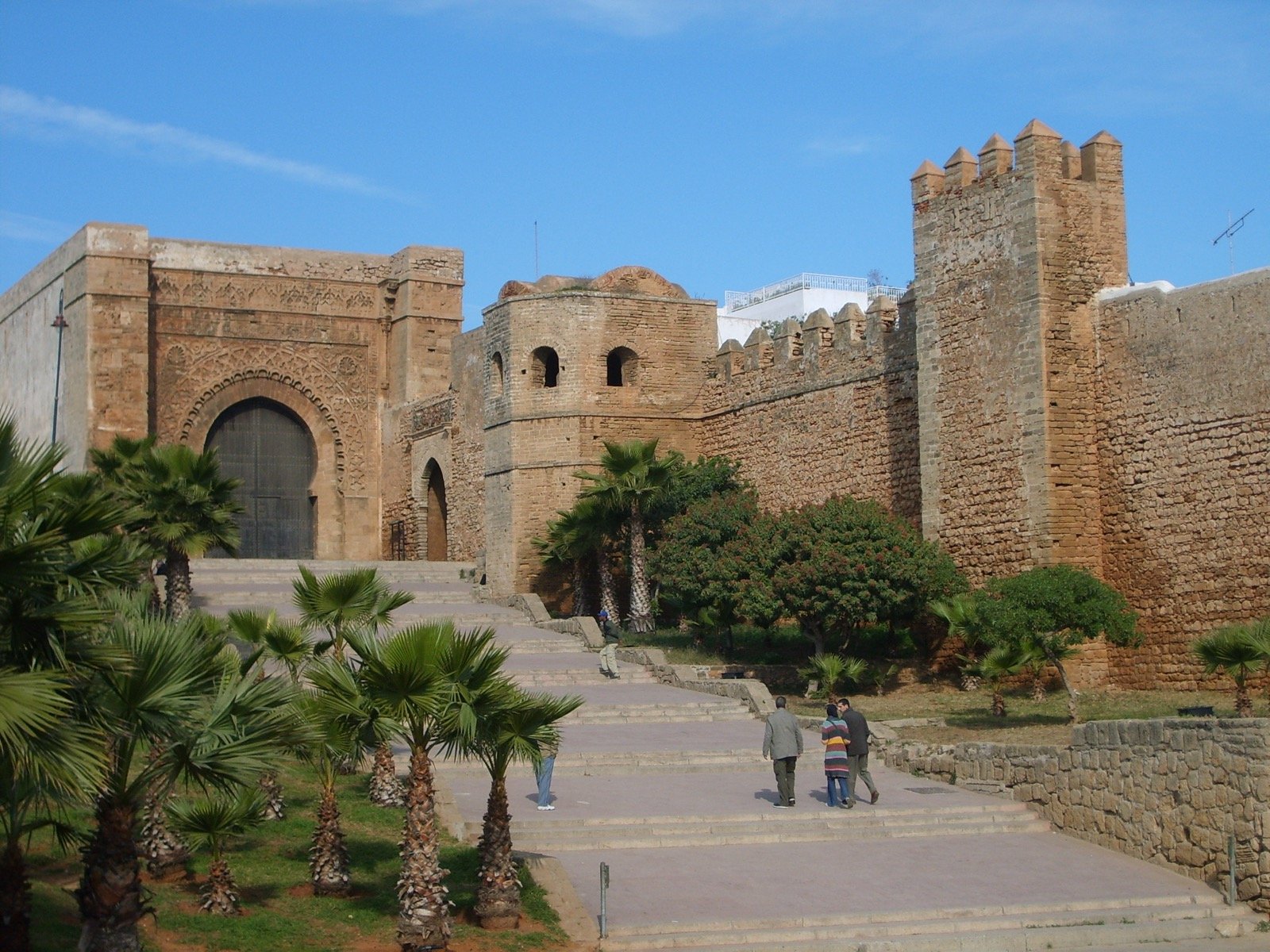
Le quartier ancien entre la médina et la mer, plus la plage en contrebas de la Kasbah. Animé un après-midi d’été, désert et sombre la nuit. Profitez du coucher de soleil depuis les remparts de la Kasbah, puis rentrez par les terres plutôt que par le sable.
Le quartier verdoyant des villas et des ambassades. Parfaitement sûr et presque silencieux — aucune vie de rue, aucun commerce, aucun taxi de passage après la tombée de la nuit. Charmant si vous avez une voiture, isolant si ce n’est pas le cas.
La bande de plages au sud de la ville, à un trajet facile en grand taxi. Parfait pour la journée ; la route du retour n’est pas éclairée et les bars de plage se vident, alors organisez votre retour avant de partir.
Mieux vaut éviter, sauf si vous connaissez la ville. Pas dangereux au sens où un lecteur inquiet l’imagine — simplement résidentiels, sans charme particulier, et sans aucune raison pour vous d’y être.
Des quartiers populaires et denses à l’est du centre, avec une réputation locale de vols de téléphones et de sacs à l’arraché. Aucun site à voir, aucun hôtel, aucun visiteur. Si une application de taxi vous y fait passer, aucun problème — évitez simplement d’y flâner.
De grands quartiers résidentiels à l’ouest et au sud. Une vie quotidienne ordinaire, rien pour un voyageur, et de longues portions peu éclairées. Aucun souci pour les traverser, mais ce n’est pas un endroit à explorer à pied la nuit.
Les quartiers périphériques de Salé, bien au-delà de la médina et de l’orbite confortable du tramway. Locaux, animés, et totalement à l’écart de tout parcours de visiteur.
Ce n’est pas un quartier, mais la règle est la même. Le sable en contrebas de la Kasbah, les berges du Bou Regreg et l’extrémité de la corniche se vident la nuit. Prenez plutôt la rue éclairée, un pâté de maisons vers l’intérieur.
Les arnaques à connaître
Les versions qu’on en trouve à Rabat sont modérées — ce n’est pas une ville de vente forcée — mais elles sont constantes, et elles finissent toutes de la même façon : quelqu’un fait pour vous quelque chose que vous n’avez pas demandé, puis annonce un prix. La parade est toujours de décider au bonjour, pas au revoir. Notre tour d’horizon national des arnaques courantes visant les touristes au Maroc va plus loin ; voici celles que vous croiserez ici.
Quelqu’un se met à votre hauteur à la porte de la Kasbah ou dans la Rue des Consuls et commence à commenter. Vingt minutes plus tard, il y a des honoraires. Dites-le dès la première phrase : “La, shukran — je visite par moi-même.” Puis continuez à marcher. Les guides officiels portent un badge et vous les réservez à votre hôtel.
La Kasbah, le Chellah ou la sortie de la médina serait fermée pour un jour férié, une prière, ou un marché qui n’a lieu qu’aujourd’hui — et votre nouvel ami connaît un autre chemin. Ce n’est pas fermé. Vérifiez vous-même les horaires d’ouverture et continuez jusqu’à la porte.
Le classique. Un petit taxi annonce un prix forfaitaire dès qu’il entend parler anglais. Demandez une fois, en français : “Au compteur, s’il vous plaît.” S’il refuse, descendez et faites signe au suivant — dans le centre de Rabat, il y en a un autre en moins d’une minute.
Une femme près de la Kasbah ou de la porte de la médina vous prend la main et commence à dessiner avant que vous n’ayez accepté quoi que ce soit, puis demande à être payée pour les deux mains. Gardez les mains le long du corps, dites non clairement, et ne vous arrêtez pas. Si vous voulez vraiment du henné, mettez-vous d’accord sur le motif et le prix à l’avance.
Une conversation chaleureuse et bien tournée sur votre pays, qui dérive vers un showroom de tapis ou un “dernier jour de la coopérative”. La conversation peut être sincère ; la destination, elle, rapporte une commission. “Merci — j’ai rendez-vous avec un ami” y met poliment fin.
Quelqu’un propose de vous aider avec une machine “difficile”. N’acceptez jamais, ne laissez personne voir votre code, et utilisez un distributeur situé dans le hall d’une banque, en plein jour. Notre guide sur l’argent liquide, les cartes et les distributeurs au Maroc couvre le reste.
Près de la médina, un café qui n’affiche pas ses prix peut improviser. Demandez avant de commander, et comptez votre monnaie sur la table plutôt que dans votre poche — il arrive qu’un gros billet vous soit rendu comme s’il s’agissait d’un petit, le plus souvent par inadvertance, parfois non.
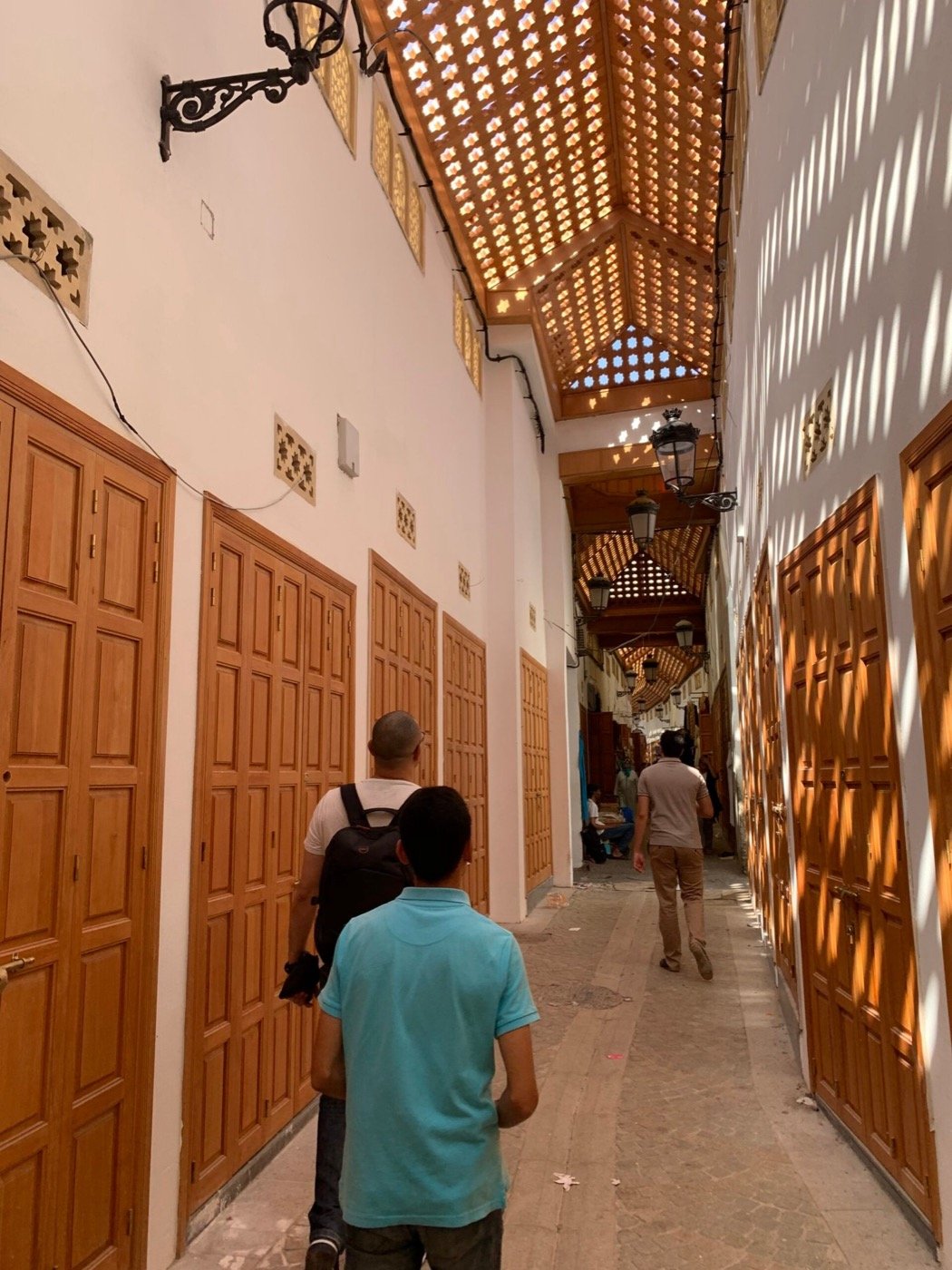
Se déplacer en toute sécurité
Rabat est l’une des grandes villes du Maroc où l’on marche le plus facilement, et le tramway simplifie le reste. Le vrai risque, ce ne sont pas les taxis, c’est la circulation : ici, les conducteurs considèrent un passage piéton comme une suggestion, alors traversez avec un groupe d’habitants et ne partez jamais du principe qu’une voiture s’arrêtera pour vous.
- Petits taxis sont bleus, équipés d’un compteur et ne prennent pas plus de trois passagers. Exigez le compteur. Ils prennent aussi d’autres passagers qui vont dans la même direction — c’est normal, ce n’est pas une arnaque. Ils sont autorisés dans une seule ville : un taxi de Rabat ne vous fera donc pas traverser le fleuve jusqu’à Salé.
- Les grands taxis sont blancs, suivent des itinéraires fixes vers Salé, Témara, Kénitra et l’aéroport, et attendent six passagers avant de partir. Vous pouvez aussi payer la voiture entière — demandez une course entière — et mettez-vous d’accord sur ce montant avant de monter.
- Le tramway de Rabat-Salé compte deux lignes et franchit le Bou Regreg par le pont Hassan II, en gros de six heures du matin jusqu’à environ vingt-deux heures trente. Achetez votre ticket au distributeur sur le quai et validez à bord. C’est propre, rapide, et c’est la liaison la plus simple entre les deux villes. L’heure de pointe est le seul moment où l’on fait vraiment les poches à Rabat — sac devant soi, téléphone rangé.
- Les trains. Rabat Ville se trouve sur l’avenue Mohammed V, en centre-ville ; Rabat Agdal est l’arrêt à grande vitesse Al Boraq vers Tanger et Casablanca. Les deux gares sont sûres, bien tenues et faciles d’accès. Consultez notre guide sur les trains ONCF et Al Boraq.
- Les VTC. Il n’y a pas d’Uber au Maroc — la plateforme a quitté le pays en 2018. Des applications comme inDrive et Heetch ont bien des chauffeurs à Rabat, mais elles évoluent dans un flou juridique et les chauffeurs de taxi les voient d’un mauvais œil, ce qui donne parfois lieu à une scène au point de rendez-vous. Le petit taxi bleu au compteur reste la valeur sûre.
- L’arrivée. L’aéroport de Rabat-Salé est petit et se trouve à une dizaine de kilomètres. Beaucoup de voyageurs atterrissent plutôt à Casablanca Mohammed V et prennent le train directement jusqu’à Rabat — confortable, direct et bien moins compliqué qu’un taxi longue distance.
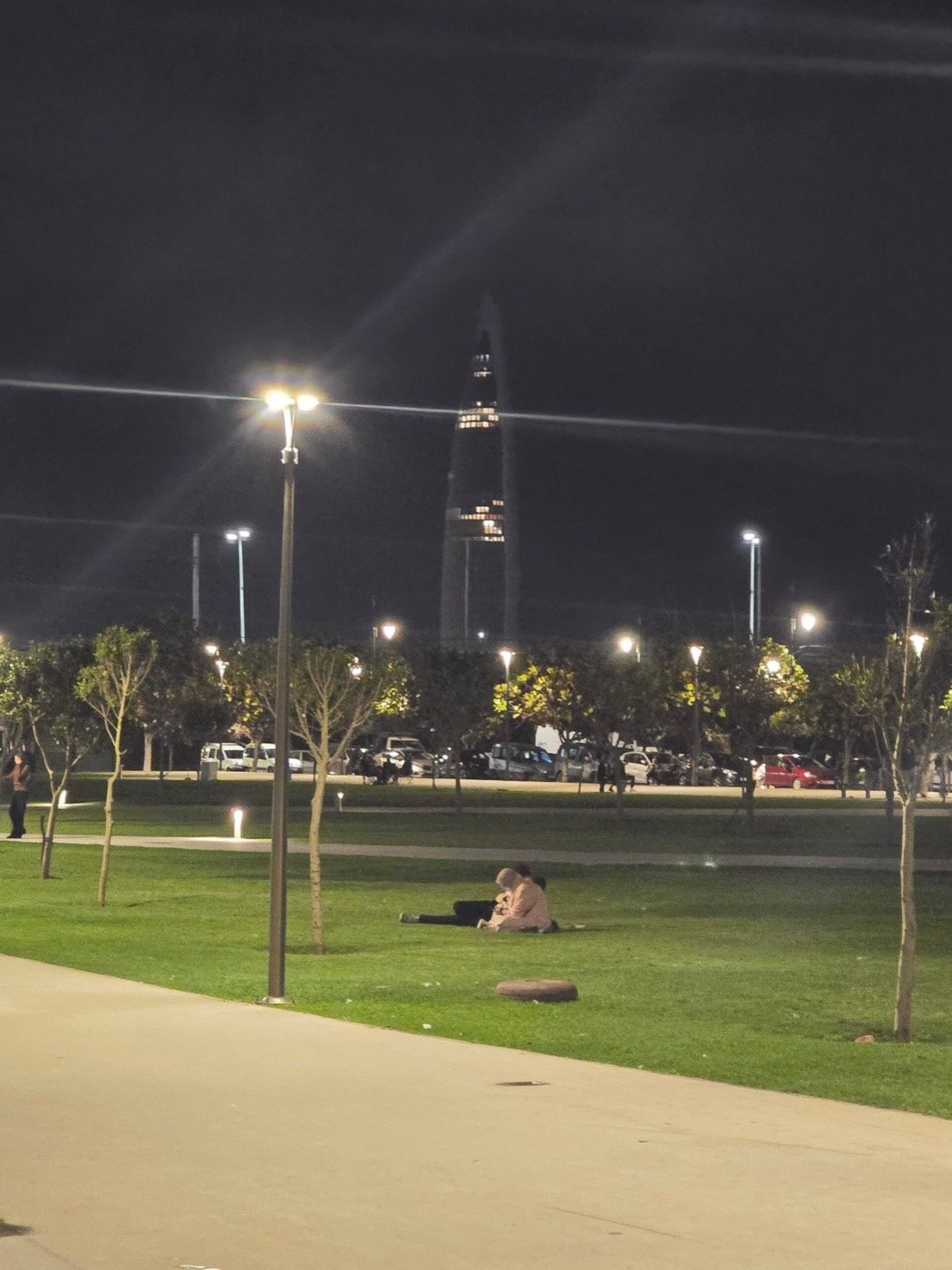
Rabat la nuit
Rabat est une ville administrative et universitaire, elle s’endort donc plus tôt que Casablanca ou Marrakech, et ses soirées tiennent plus du café que de la boîte de nuit. C’est précisément ce qui la rend paisible : à vingt-deux heures, les rues animées le sont par des familles, des étudiants et des couples, pas par une foule de noctambules.
Les endroits qui restent animés après la tombée de la nuit sont Agdal — l’avenue Fal Ould Oumeir et les rues alentour, avec des terrasses pleines jusqu’à tard —, l’avenue Mohammed V et le quartier Hassan, le bout de Hay Riad côté Arribat Center, et la marina de Bou Regreg, agréable par une soirée douce. Tous sont éclairés, fréquentés et surveillés.
Ce qui change, c’est la médina et le bord de l’eau. Une fois les rideaux baissés, les ruelles de la médina ne sont plus pittoresques, elles sont simplement désertes ; restez sur les axes principaux et tout ira bien. La plage, le sable en contrebas de la Kasbah et les berges du fleuve sont la seule partie de Rabat que les habitants évitent vraiment la nuit, et vous devriez faire de même — ce qui pose problème, c’est l’isolement, pas le danger.
Rentrer est simple : un petit taxi au compteur, ou demandez au restaurant d’en appeler un. Ne prévoyez pas de revenir tard de Salé en tramway, il s’arrête bien avant la fin de la soirée. Et si vous êtes là pendant le Ramadan, les horaires s’inversent complètement — calme toute la journée, puis la ville s’anime après l’iftar et veille très tard. C’est l’un des meilleurs moments pour arpenter Rabat.
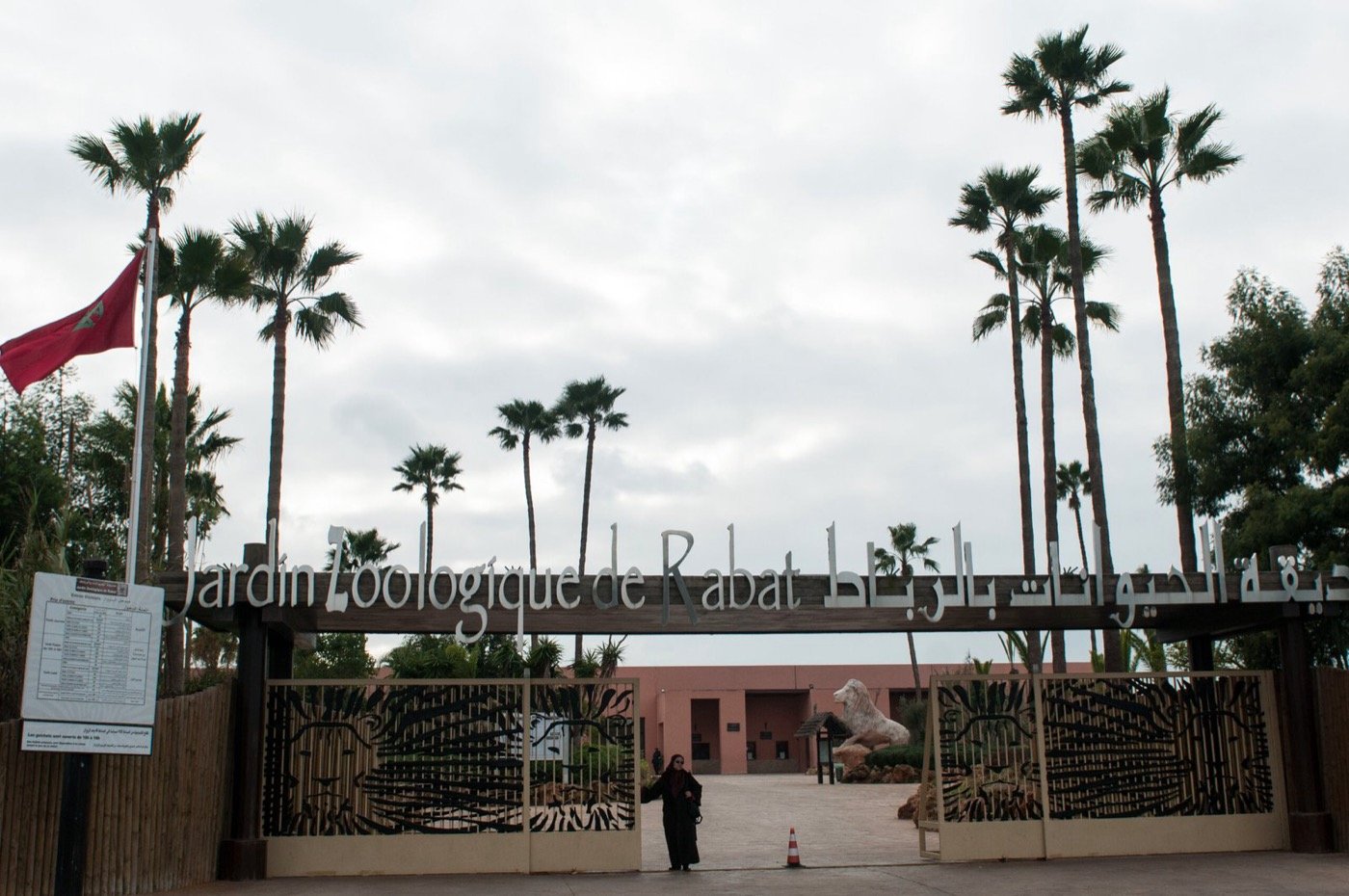
Voyageurs en solo, et femmes seules
Rabat est l’une des villes marocaines les plus douces pour voyager seul, et les femmes qui voyagent seules y signalent régulièrement beaucoup moins d’attention qu’à Marrakech, Fès ou Tanger. Une capitale remplie d’étudiants, de fonctionnaires et de diplomates est tout simplement moins un entonnoir à touristes, et les sollicitations sont proportionnelles au nombre d’inconnus qui passent.
Voici ce qui se passe concrètement, pour que rien ne vous surprenne : des remarques dans la rue, un “bonjour, gazelle” lancé depuis une porte, un commerçant qui continue de parler après que vous avez dit non, parfois quelqu’un qui marche à côté de vous sur toute une rue en vous demandant d’où vous venez. C’est fatigant et c’est impoli. Cela va très rarement plus loin, et cela s’arrête dès l’instant où vous cessez de répondre.
Ce qui fonctionne, d’après les femmes qui vivent ici : continuez à marcher pendant que vous répondez, ou ne répondez pas du tout — une conversation qui ne commence jamais ne peut pas s’éterniser. “La, shukran”, dit platement, sans sourire, est compris partout. Marchez comme si vous saviez exactement à quelle adresse vous allez, même quand ce n’est pas le cas. Choisissez les terrasses de café où il y a déjà des femmes ; à Agdal, à Hay Riad et à la marina, c’est le cas de la plupart, alors que certains cafés traditionnels près de la médina restent masculins dans les faits. Il n’y a pas de code vestimentaire, mais avoir les épaules et les genoux couverts dans la médina et à Salé fait nettement baisser le volume, et à Agdal personne ne regardera deux fois ce que vous portez.
Deux précautions concrètes, toutes les deux gratuites : dites à une personne ce que vous prévoyez pour la soirée, et utilisez les minuteurs Check-on-Me de notre application, pour que les personnes de votre Safety Circle sachent où vous étiez si vous ne donnez pas signe de vie. Notre guide plus complet, le Maroc est-il sûr pour les femmes, approfondit tout cela, et votre plan de contact avec la famille explique comment rassurer vos proches sans messages toutes les heures.
Ce qu’il ne faut pas faire
- Ne marchez pas sur la plage, au bout de la corniche ni le long du fleuve après la tombée de la nuit. Prenez la rue éclairée à l’intérieur des terres.
- Ne restez pas dans un taxi qui refuse le compteur. Descendez — il y en a un autre derrière.
- Ne laissez personne commencer à vous guider, à vous dessiner un henné ou à cirer vos chaussures avant d’avoir fixé un prix. Cela se décide dès le bonjour.
- Ne gardez pas votre téléphone à la main au bord du trottoir ni sur une table de café donnant sur la rue. Le vol à l’arraché en scooter est le seul vol qui arrive vraiment ici.
- N’utilisez pas de distributeur en pleine rue la nuit, et ne laissez jamais personne venir vous “aider” près du clavier.
- N’acceptez pas, n’achetez pas et ne transportez pas de haschich. On vous en proposera ; les peines sont lourdes, et parfois la proposition est un piège.
- Ne photographiez pas l’enceinte du Palais royal, les policiers ni les sites militaires. Ailleurs, demandez avant de photographier des personnes.
- Ne nagez pas là où il n’y a pas de maître-nageur. Les courants d’arrachement de l’Atlantique à Rabat, Salé et Témara sont le risque physique le plus réel de toute cette page.
- Ne buvez pas l’eau du robinet si vous avez l’estomac sensible — l’eau en bouteille est bon marché et se trouve partout. Voir notre guide sur l’alimentation et l’eau.
Les numéros d’urgence, et quoi faire
Enregistrez-les avant d’atterrir, pas une fois que quelque chose est arrivé. Ils fonctionnent depuis n’importe quel téléphone, et ce sont les numéros que notre application compose pour vous.
À Rabat même, le numéro est le 19. Ne composez le 177 que lorsque vous êtes sur les routes entre les villes, où la Gendarmerie Royale est compétente. Les opérateurs répondent en arabe ou en français : annoncez donc d’abord où vous êtes — la ville, puis un repère comme la tour Hassan ou Bab El Had — et si la langue bloque, tendez le téléphone à n’importe quel passant. Les Marocains vous aideront sans hésiter. Notre guide complet des numéros d’urgence contient le reste, y compris ce qu’il faut dire à votre ambassade.
Pour les soins médicaux, le principal hôpital public de référence est le CHU Ibn Sina, à la limite d’Agdal et de Souissi, avec des services d’urgence ouverts jour et nuit. Côté privé, l’Hôpital universitaire international Cheikh Zaid à Hay Riad est celui qu’utilise en général la communauté diplomatique, et Hôpital Militaire Mohammed V se trouve juste à côté. Les cliniques privées demanderont un paiement ou une garantie d’assurance à l’avance — prenez votre contrat en photo avant de partir, car Stay Safe Morocco n’inclut pas d’assurance. Nous avons réalisé le même panorama des hôpitaux ville par ville pour Marrakech, et notre application gratuite contient un répertoire de 172 hôpitaux dans 31 villes, consultable sans réseau.
Une précision honnête sur ce que fait notre bouton SOS, parce que beaucoup d’applications restent vagues là-dessus : l’appuyer compose le numéro d’urgence marocain, enregistre vos coordonnées GPS et prévient les personnes de votre Safety Circle. Il n’y a pas de centre d’appel et nous n’envoyons personne sur place. Dans une vraie urgence, c’est exactement ce qu’il faut — le bon numéro local composé en une pression, et votre position déjà entre les mains de gens qui tiennent à vous.
En résumé
Rabat est une ville sûre et, plus que cela, reposante — la ville marocaine où vous pouvez baisser la garde d’un cran et simplement marcher. Logez à Agdal, à Hassan ou dans la médina ; prenez les petits taxis bleus au compteur et le tramway ; gardez votre téléphone dans votre poche au milieu de la foule ; évitez la plage et les berges après la tombée de la nuit ; et dites non au début d’un échange plutôt qu’à la fin. Toute la méthode est là, et c’est celle que les habitants appliquent sans même y penser.
Deux choses à faire avant de partir : enregistrez le 19, le 15 et le 177 dans votre téléphone, et réglez la question des données mobiles pour que vos cartes et vos appels fonctionnent dès que les roues touchent le sol. Ensuite, allez profiter de la Kasbah au coucher du soleil — c’est pour cela que vous êtes venu.
Foire aux questions
Rabat est-elle sûre pour les touristes en 2026 ? Oui. Rabat est largement considérée comme l’une des villes les plus sûres et les moins pesantes du Maroc, en grande partie parce qu’elle est la capitale et qu’une présence policière constante et tranquille entoure le Parlement, le Palais royal et les quartiers des ambassades. Les risques réalistes sont les petits vols dans la foule, les désaccords sur le prix d’une course en taxi et les forts courants de l’Atlantique sur les plages.
Rabat est-elle plus sûre que Marrakech ou Casablanca ? Elle paraît nettement plus calme que les deux. La médina de Rabat’est petite et facile à parcourir, la vente dans la rue y est bien moins présente qu’à Marrakech, et la ville est plus tranquille après la tombée de la nuit que Casablanca. Marrakech n’est pas dangereuse — voir notre guide pour savoir si Marrakech est sûre — mais Rabat demande moins d’efforts à un visiteur qui vient pour la première fois.
Où loger à Rabat quand on vient pour la première fois ? Agdal pour les cafés, les restaurants et les soirées tranquilles ; Hassan ou l’avenue Mohammed V pour rejoindre à pied la médina, la tour Hassan et la gare ; Hay Riad si vous voulez du moderne et du calme. La médina et la kasbah des Oudayas sont elles aussi agréables et pleines de riads. Souissi est sûr mais sans vie de rue, et vous y prendrez le taxi pour tout.
Est-il sûr de se promener dans Rabat la nuit ? Dans les rues principales, oui. Agdal, l’avenue Mohammed V, le quartier Hassan, Hay Riad et la marina de Bou Regreg restent éclairés et animés. Évitez la plage, le bout de la corniche et les berges du fleuve après la tombée de la nuit, et tenez-vous aux grandes artères de la médina’s plutôt qu’aux ruelles une fois les boutiques fermées.
Rabat est-elle sûre pour les voyageuses seules ? Oui, et c’est généralement plus facile qu’à Marrakech, Fès ou Tanger. Attendez-vous à des remarques dans la rue et à des commerçants insistants, rien de plus. Continuez à marcher pendant que vous répondez, ou ne répondez pas du tout, dites “la, shukran” sur un ton neutre, choisissez les terrasses où d’autres femmes sont assises, et couvrez épaules et genoux dans la médina et à Salé pour attirer moins l’attention.
Les taxis de Rabat utilisent-ils le compteur ? Ils y sont tenus. Les petits taxis de Rabat sont bleus, équipés d’un compteur et prennent jusqu’à trois passagers ; ils sont autorisés uniquement à Rabat et ne passent donc pas à Salé. Si un chauffeur refuse le compteur, descendez et prenez le suivant. Les grands taxis sont blancs, suivent des trajets partagés fixes, et le prix se convient avant de monter.
Quels sont les numéros d’urgence à Rabat ? Composez le 19 pour la police en ville, le 15 pour une ambulance ou le SAMU, et le 177 pour la Gendarmerie Royale sur les routes en dehors de la ville. Enregistrez ces trois numéros avant votre arrivée. Les opérateurs répondent en arabe ou en français : indiquez donc d’abord où vous êtes — la ville, puis un point de repère proche.
Nous sommes l’équipe à l’origine de Stay Safe Morocco, l’application iOS gratuite de sécurité pour les visiteurs du Maroc. Nous avons créé le SOS en une seule pression qui compose les vrais numéros d’urgence du Maroc, l’annuaire de 172 hôpitaux dans 31 villes, et le Safety Circle qui reçoit votre position dès l’instant où vous appuyez sur SOS. Nous vivons et travaillons ici, et nous tenons ce guide à jour.
🛡 Atterrissez au Maroc déjà connecté — et en sécurité
Chaque eSIM StaySafe Morocco est fournie avec SOS Familial gratuit: one tap to reach emergency help and share your live location with your family. No data cap, keep your number, from $20.79.
Obtenez votre eSIM + SOS Familial →Explorer le Maroc — guides des villes
- Agadir
- Les plus beaux endroits à visiter au Maroc : la sélection idéale pour un premier voyage
- Les meilleures choses à faire à Marrakech : le guide essentiel
- Casablanca
- Chefchaouen
- El Jadida
- Guide culturel d'Essaouira : musique gnaoua, art et vie locale
- Essaouira
- Fes
- Marrakech en été : piscines, chaleur et comment rester au frais
- Marrakech
- Meknes
- Nador
- Ouarzazate
- Oujda
- Lieux à visiter à Marrakech : le programme jour par jour du primo-visiteur
- Rabat
- Safi
- Tanger
- Tétouan