Le Maroc accueille plus de 13 millions de touristes chaque année, et la grande majorité repart avec uniquement de merveilleux souvenirs. Cela dit, être bien préparé fait toute la différence entre un voyage sans accroc et un tracas évitable. Ce guide vous donne un aperçu honnête et à jour.
Le Maroc est sûr pour les touristes. Les crimes violents visant les visiteurs sont rares. Les principaux risques sont les petits larcins, les rabatteurs insistants et les arnaques dans les médinas animées, tous faciles à gérer avec un peu de vigilance.
Niveau de sécurité général
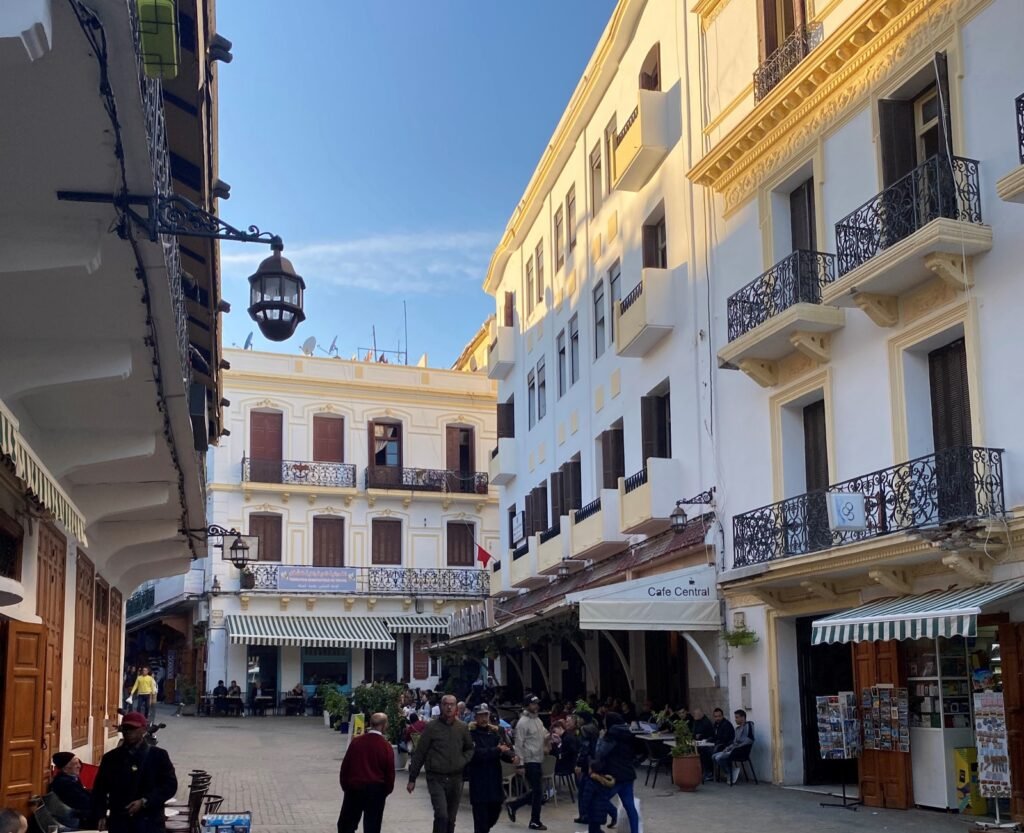
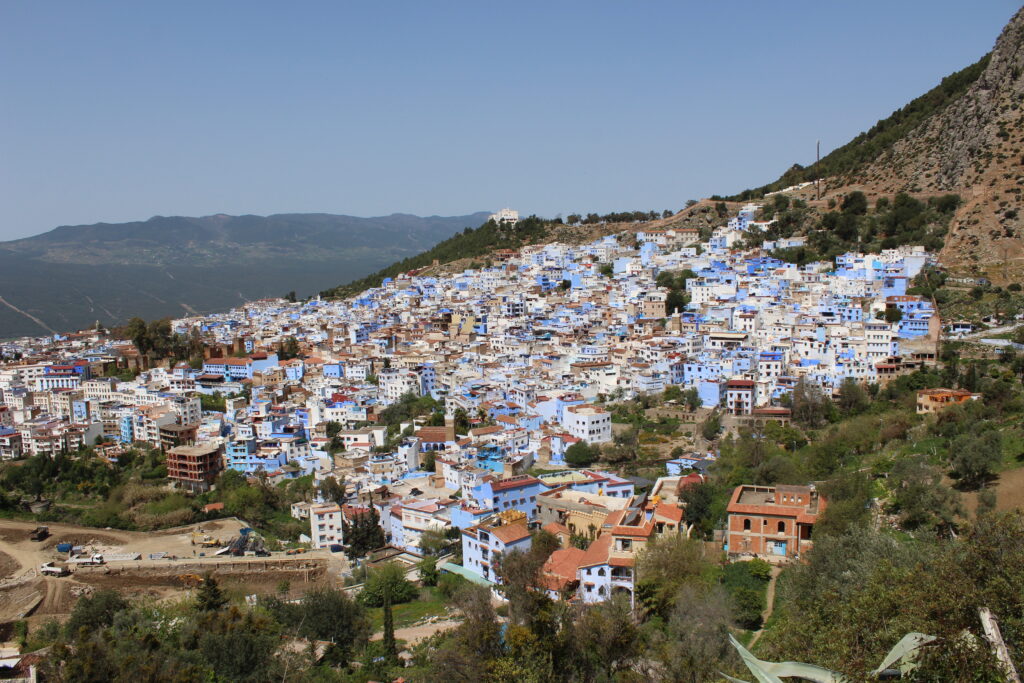
Le Maroc figure régulièrement parmi les pays les plus sûrs d'Afrique du Nord et du monde arabe. Le gouvernement accorde une grande priorité à la sécurité touristique, et vous verrez des policiers et des agents d'assistance aux touristes postés dans les médinas, les souks et les principales attractions de villes comme Marrakech, Fès et Chefchaouen.
Le Maroc se classe plus haut que de nombreuses destinations européennes populaires sur l'Indice mondial de la paix. Les gouvernements du Royaume-Uni, des États-Unis et de l'UE classent tous le Maroc comme « prenez les précautions habituelles », le même niveau que la France ou l'Italie.
Risques courants (et comment les gérer)
Petits larcins et pickpockets
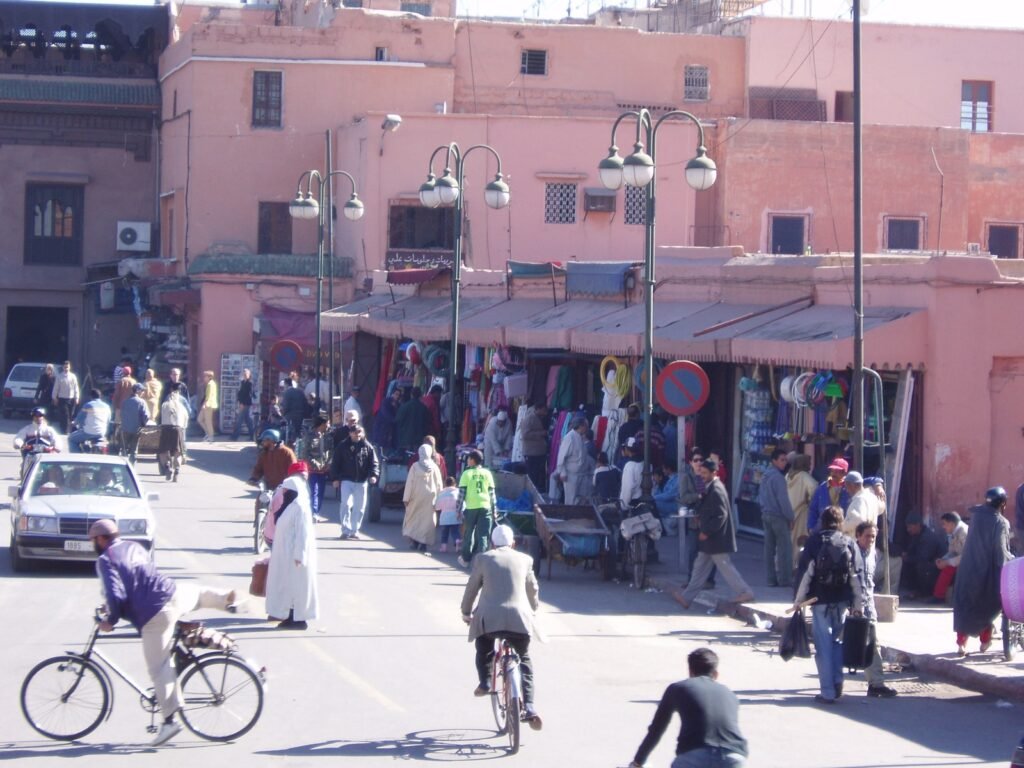
Les zones animées comme Jemaa el-Fnaa, les souks et les gares routières fréquentées sont des lieux privilégiés pour les pickpockets. Suivez ces règles simples :
Ne gardez jamais votre passeport ou de grosses sommes d'argent dans une poche arrière ou un sac ouvert.
Le vol de téléphones sur les tables de café et pendant que l'on prend des photos est l'incident le plus fréquemment signalé.
Ne transportez que ce dont vous avez besoin pour la journée. Laissez votre réserve d'argent principale dans le coffre de l'hôtel.
Porté devant soi, un sac en bandoulière est presque impossible à arracher dans la rue.
Arnaques et rabatteurs
L'arnaque du « faux guide » est le piège à touristes le plus connu du Maroc. Quelqu'un propose de vous faire visiter ou de vous aider à trouver un hôtel, puis vous emmène dans des boutiques où il touche une commission, ou vous réclame une somme importante à la fin.
Un « La shukran » (non merci) ferme et amical fonctionne bien. Évitez le contact visuel avec les rabatteurs insistants et continuez votre chemin. Les guides agréés engagés via votre riad ou l'office de tourisme officiel sont toujours une meilleure option.
Sécurité des transports
Les grands taxis, les petits taxis et les bus sont les principaux moyens de se déplacer. Convenez d'un prix avec le chauffeur de taxi avant de monter, ou insistez pour qu'il utilise le compteur. Des applications de VTC comme Careem sont disponibles à Marrakech et Casablanca et éliminent toute incertitude sur les prix.
Le Maroc est-il sûr pour les voyageurs en solo ?
Oui : voyager seul au Maroc est populaire et bien établi. Les hommes voyageant seuls ont généralement une expérience très simple. Les femmes voyageant seules peuvent être confrontées à davantage d'attention non désirée, en particulier dans les médinas, mais le harcèlement dépasse rarement le stade verbal et peut être géré efficacement :
- Habillez-vous de manière modeste (en couvrant épaules et genoux) dans les médinas et les lieux religieux
- Marchez d'un pas décidé et évitez tout contact visuel prolongé avec des inconnus
- Réservez des riads plutôt que des auberges économiques pour plus de sécurité et de conseils locaux
- Évitez les zones isolées après la tombée de la nuit : restez dans des rues animées et bien éclairées
- Utilisez Careem ou appelez un taxi de l'hôtel plutôt que de héler des taxis dans la rue la nuit
L'application StaySafe Morocco vous donne un accès instantané aux numéros d'urgence, aux hôpitaux et pharmacies à proximité, et à des conseils de sécurité hors ligne : tout ce dont vous avez besoin, même sans données.
Numéros d'urgence au Maroc
Enregistrez-les avant d'atterrir. Ces numéros fonctionnent depuis n'importe quelle SIM marocaine ou via un appel WhatsApp :
Rendez-vous au commissariat le plus proche ou appelez le 19. La police touristique (Brigade Touristique) est spécialement formée pour aider les visiteurs et est postée dans toutes les principales zones touristiques.
Santé et sécurité médicale
Le Maroc possède de bons hôpitaux privés dans les grandes villes. Les soins médicaux dans les zones touristiques comme Marrakech sont généralement fiables, même s'il est toujours préférable d'avoir une assurance voyage couvrant l'évacuation médicale avant votre arrivée.
Précautions de santé courantes
- Eau : Buvez uniquement de l'eau en bouteille. L'eau du robinet n'est pas sûre pour les touristes qui n'y sont pas habitués.
- Nourriture : Limitez-vous à des plats fraîchement cuisinés. Évitez les fruits prédécoupés des vendeurs ambulants.
- Soleil : Le soleil marocain est intense. Apportez une crème solaire à indice élevé et restez hydraté.
- Pharmacies : Largement disponibles et bien approvisionnées. La plupart des pharmaciens parlent français et certains parlent anglais.
Au Maroc, de nombreux médicaments disponibles uniquement sur ordonnance ailleurs peuvent être achetés sans ordonnance en pharmacie. Pour les maux courants (maux d'estomac, coups de soleil, maux de tête), évitez l'hôpital et rendez-vous à la pharmacie la plus proche : ce sont d'excellents premiers points de contact.
Situation politique et sociale
Le Maroc est une monarchie constitutionnelle avec un environnement politique stable. Les manifestations publiques sont rares dans les zones touristiques et les touristes ne sont pas visés. Le pays dispose d'un solide dispositif antiterroriste et a maintenu la sécurité dans les grandes villes depuis que les attentats de Casablanca de 2003 ont entraîné une profonde réforme des services de sécurité.
Risques naturels
Le Maroc connaît des tremblements de terre occasionnels (le séisme du Haut Atlas de 2023 l'a rappelé). Si vous faites de la randonnée dans les montagnes de l'Atlas ou dans les régions désertiques, indiquez toujours votre itinéraire à quelqu'un, emportez suffisamment d'eau (au moins 3 l par jour en été) et sachez que les températures varient fortement entre le jour et la nuit.
Ne faites jamais de randonnée dans les montagnes de l'Atlas ou le Sahara sans guide local agréé. Le réseau mobile est limité : téléchargez des cartes hors ligne (Maps.me ou Google Maps hors ligne) avant de partir.
Verdict final : faut-il y aller ?
Absolument. Le Maroc est l'une des destinations les plus enrichissantes au monde : culture riche, paysages magnifiques, cuisine incroyable et hospitalité véritablement chaleureuse. Avec les précautions de bon sens que vous appliqueriez partout dans le monde, votre voyage sera sûr et inoubliable.
Téléchargez l'application StaySafe Morocco avant votre voyage pour des contacts d'urgence hors ligne, un annuaire d'hôpitaux sélectionnés, des conseils de sécurité en temps réel et une connectivité eSIM, afin de ne jamais être sans données quand vous en avez le plus besoin.
Foire aux questions
Le Maroc est-il sûr pour les touristes en 2026 ?
Yes. Morocco is one of the safer countries in North Africa for travellers, and millions visit every year without trouble. Violent crime against tourists is rare — the everyday annoyances are petty scams and overcharging, which a friendly “no, thank you” and a little preparation handle easily.
Is Morocco safe for solo female travellers?
Many women travel Morocco solo and have a wonderful time, but expect more attention and occasional catcalling than at home. Dressing modestly, walking with purpose, avoiding empty areas after dark, and using trusted transport go a long way. The medinas are busy and generally safe by day.
What are the main safety risks in Morocco?
The realistic risks are petty, not violent: pickpocketing in crowds, fake “guides”, overpriced taxis, and pressure selling in the souks. Read our guide to common scams in Morocco so you recognise each one before it happens.
What is the emergency number in Morocco?
Composez le 19 for police and 15 for an ambulance; 112 also works from any mobile phone. Save them before you travel — see our full list of Morocco emergency numbers.
Is it safe to walk around Moroccan cities at night?
Busy, well-lit areas of cities like Marrakech, Fes and Rabat are generally fine in the evening, and the main squares stay lively late. Stick to populated streets, keep your phone charged and connected, and avoid deserted alleys — the same common sense you’d use in any big city.
🛡 Atterrissez au Maroc déjà connecté — et en sécurité
Chaque eSIM StaySafe Morocco est fournie avec SOS Familial gratuit: one tap to reach emergency help and share your live location with your family. No data cap, keep your number, from $20.79.
Obtenez votre eSIM + SOS Familial →Explorer le Maroc — guides des villes
- Agadir
- Les plus beaux endroits à visiter au Maroc : la sélection idéale pour un premier voyage
- Les meilleures choses à faire à Marrakech : le guide essentiel
- Casablanca
- Chefchaouen
- El Jadida
- Guide culturel d'Essaouira : musique gnaoua, art et vie locale
- Essaouira
- Fes
- Marrakech en été : piscines, chaleur et comment rester au frais
- Marrakech
- Meknes
- Nador
- Ouarzazate
- Oujda
- Lieux à visiter à Marrakech : le programme jour par jour du primo-visiteur
- Rabat
- Safi
- Tanger
- Tétouan