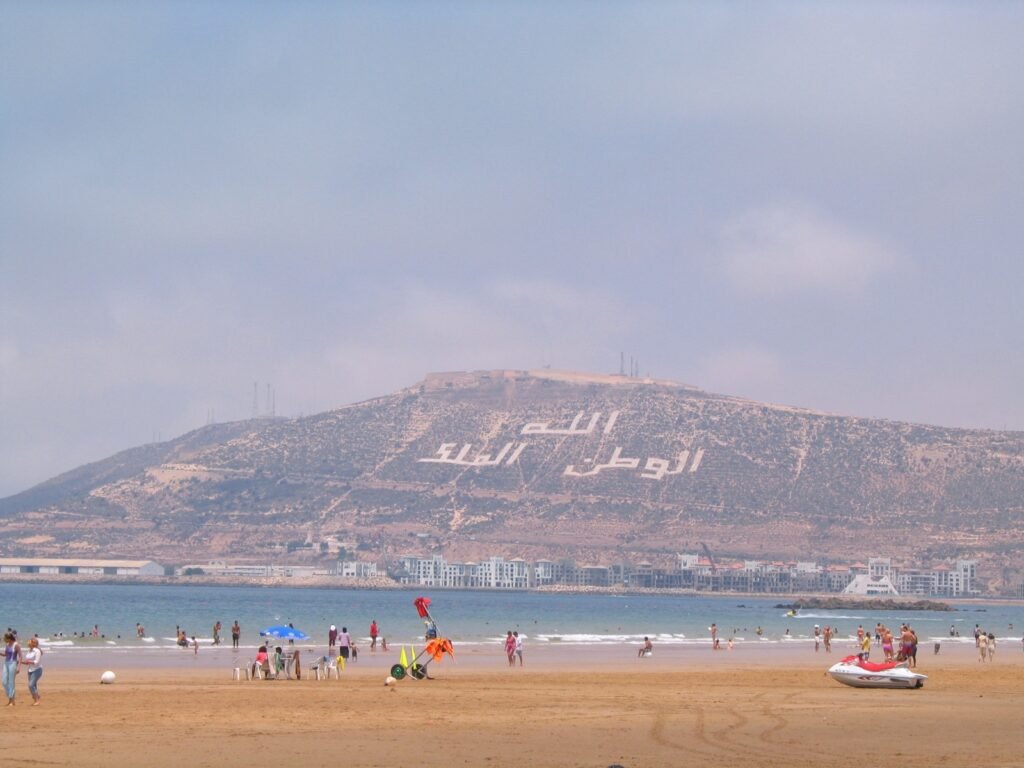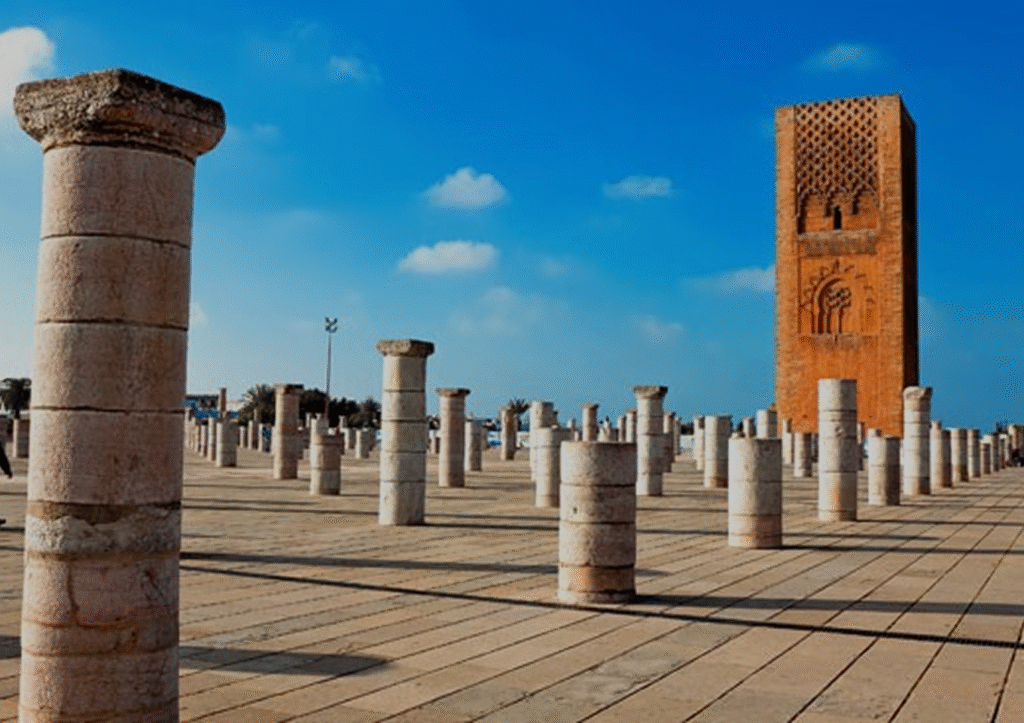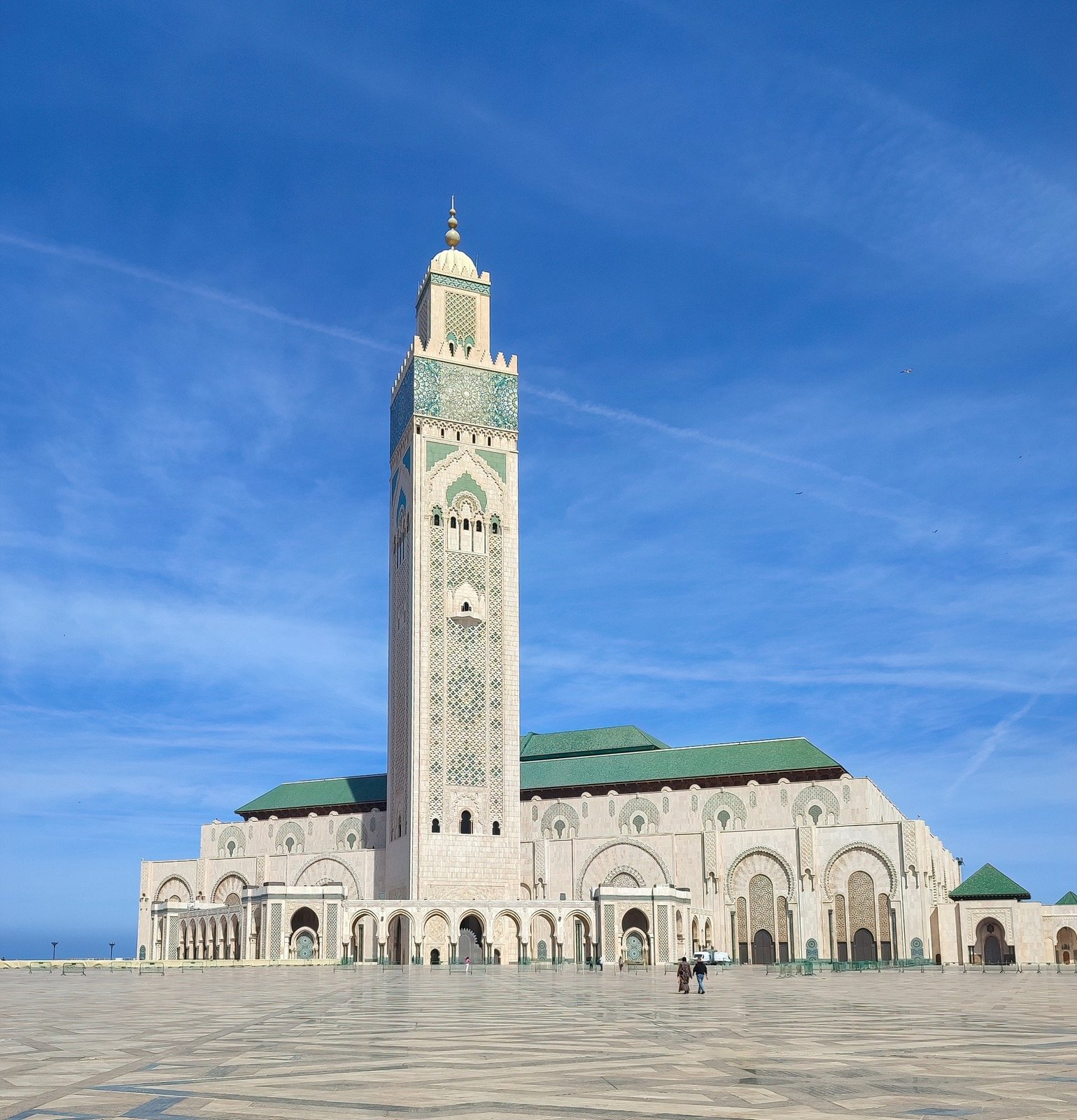
Oui — Casablanca est sûre pour les visiteurs, comme l’est n’importe quelle grande ville active : avec le bon sens qu’on applique en ville, un taxi une fois la nuit tombée, et son téléphone dans la poche plutôt qu’à la main. Les agressions contre les touristes y sont rares. Ce que l’on rencontre vraiment, ce sont les petits vols dans la foule, une négociation ferme avec un taxi, et de temps en temps un inconnu qui veut vous servir de guide.
Ce qu’il faut comprendre à propos de Casablanca, c’est que ce n’est pas une ville touristique. C’est la plus grande ville du Maroc et sa capitale économique — près de cinq millions de personnes qui vont travailler — et elle ressemble davantage à Marseille ou à Naples qu’à Marrakech. Bonne nouvelle pour une première visite : vous n’êtes pas l’attraction principale, personne n’a bâti une économie autour de vous, et la rue vaque simplement à ses occupations. Ce guide vous donne le verdict, les quartiers nommément, les arnaques précises, et les numéros à enregistrer. Pour ce qu’il y a à voir une fois que vous vous sentirez à l’aise, notre guide de la ville de Casablanca couvre cela séparément.
La réponse courte
Casablanca est sûre pour les visiteurs qui ont la vigilance ordinaire de n’importe quelle grande ville. Logez à Gauthier, Racine, Maârif, Anfa ou sur la corniche d’Aïn Diab et vous pourrez marcher le soir. Le centre-ville, l’ancienne médina et Habous sont des quartiers de journée — rentrez en taxi une fois la nuit tombée. Les vrais risques, ce sont un téléphone arraché et un taxi sans compteur, pas un danger pour vous.
Ce verdict mérite un peu de contexte. Casablanca présente le profil de délinquance de n’importe quelle grande ville portuaire et d’affaires de Méditerranée : des pickpockets là où la foule se resserre, des vols de sac à l’arraché, et de temps en temps un téléphone arraché de la main par quelqu’un sur un scooter qui passe. Ce sont des délits d’opportunité, et les délits d’opportunité sont précisément ceux que l’on peut éliminer de son voyage en quatre décisions environ.
Ce que vous ne trouverez pas ici, c’est la pression commerciale permanente d’une médina touristique. Personne, à Maârif, ne cherche à vous emmener dans une boutique de tapis. Autour de la mosquée Hassan II et dans l’ancienne médina, où les visiteurs se concentrent effectivement, cette pression apparaît — et elle se gère très bien dès qu’on la voit venir.
Il vaut aussi la peine de dire clairement ce que dirait un habitant : la plupart des gens qui se sentent mal à l’aise à Casablanca le sont parce que la ville est bruyante, rapide et inconnue, pas parce qu’il leur est arrivé quoi que ce soit. La circulation est vraiment ce qui risque le plus de vous blesser, et nous y reviendrons. Pour la vue d’ensemble à l’échelle du pays — les régions, les manifestations, les trajets sur route, le désert — voir notre guide pour savoir si le Maroc est sûr pour les touristes.
Rester connecté à Casablanca
Presque tous les conseils qui suivent supposent une chose : un téléphone qui fonctionne dès l’atterrissage. Pas pour Instagram — pour la carte qui vous dit dans quel sens va le boulevard, la capture d’écran de l’adresse de votre riad en arabe à montrer au chauffeur, la possibilité de vérifier un itinéraire au lieu de demander à un inconnu, et celle de composer le 19 sans partir à la recherche d’un Wi-Fi.
Une eSIM Maroc est le moyen le plus simple d’y arriver : vous choisissez vos dates et le nombre de voyageurs, le QR code arrive par e-mail avant le départ, et la ligne est active dès que vous désactivez le mode avion à Mohammed V. Elle comprend des données illimitées, deux heures d’appels et une assistance à toute heure, jour et nuit. Si vous n’en avez jamais utilisé, voici ce qu’est vraiment une eSIM — et si vous voulez qu’elle fonctionne avant même de quitter le terminal, parcourez la check-list de configuration du téléphone la semaine avant votre départ.
Où loger, et où rester vigilant
C’est la section que la plupart des pages sur la sécurité à Casablanca refusent d’écrire. Nommer les quartiers paraît impoli, alors personne ne le fait, et le visiteur finit par réserver à l’aveugle, uniquement sur le prix, avant de se demander à 22:00 pourquoi la rue est déserte dehors.
Alors les voici, nommés, en trois catégories — les catégories d’un habitant, fondées sur la facilité à marcher le soir et sur la facilité à trouver un taxi pour rentrer.
Première catégorie — agréable de jour comme de nuit. Réservez ici pour une première visite. Tous ces quartiers ont des rues éclairées, du monde dehors tard le soir, et des taxis qui passent en permanence.
La réponse la plus simple pour une première fois. Central, plat, agréable à pied, plein de cafés et de restaurants qui restent ouverts, et assez animé à 23:00 pour que vous ne vous sentiez jamais seul dans la rue.
Le voisin plus calme de Gauthier. Des rues résidentielles, de bons restaurants, de petites boutiques, et dix minutes à pied jusqu’à Maârif. Calme sans être isolé.
Le quartier commerçant autour de la rue Jean Jaurès. Lumineux, animé, des familles dehors le soir, et l’endroit le plus facile de la ville pour héler un taxi à toute heure. Un peu plus bruyant que Racine, et c’est le compromis à accepter.
Des quartiers de villas verdoyants, en haut de la colline. Très calmes et très agréables, mais vous prendrez un taxi pour rejoindre à peu près tout. Parfait si vous cherchez le calme, moins si vous voulez sortir dîner à pied.
La bande du front de mer : hôtels, restaurants de poisson, beach clubs, joggeurs au crépuscule. Animée et éclairée le long du boulevard lui-même. La plage et le sable non éclairé en contrebas, c’est autre chose une fois la nuit tombée — restez en haut, sur la route.
Résidentiel, sans clinquant, entre le centre et la mer. Des rues tranquilles, de vrais cafés de quartier, souvent un meilleur rapport qualité-prix que Gauthier pour la même praticité.
Deuxième catégorie — excellents de jour, taxi une fois la nuit tombée. Rien à reprocher à ces quartiers. Ce sont simplement des quartiers commerçants ou historiques qui se vident quand les rideaux tombent, et une rue déserte à minuit vaut un taxi partout dans le monde.
Le boulevard Mohammed V, la place des Nations Unies, le Marché Central — la plus belle promenade de la ville en plein jour, et l’une des grandes balades architecturales méconnues au monde. Une fois les bureaux et les commerces fermés, cela se vide vite. Profitez-en de jour, rentrez en taxi le soir.
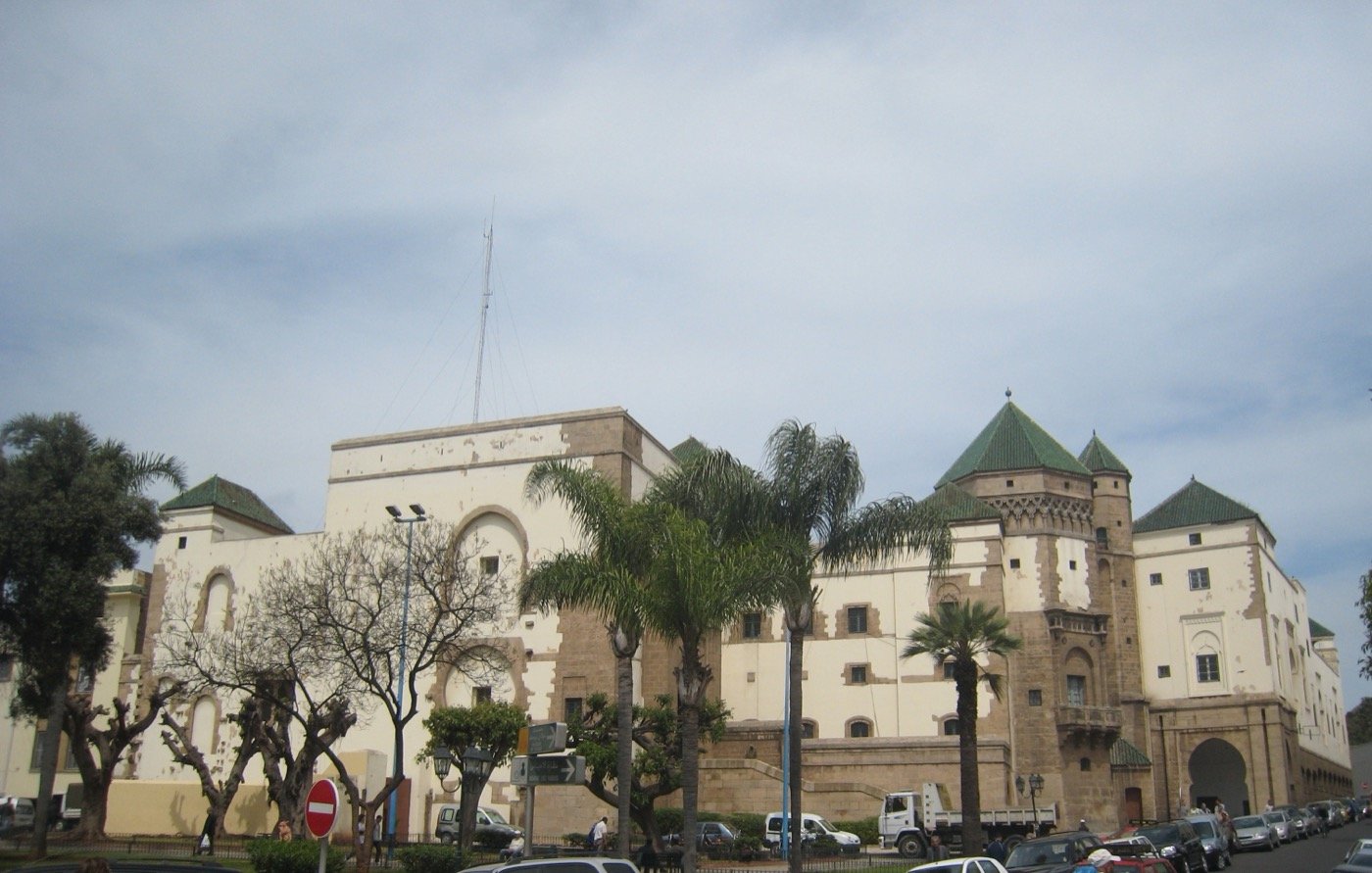
Petite, un peu débraillée, vraiment pleine de caractère, et elle mérite une heure à côté du port. Les ruelles sont étroites et à peine éclairées, et l’essentiel ferme le soir. Allez-y le matin, gardez votre sac devant vous, et n’y retournez pas à la nuit tombée lors de votre premier séjour.
Sous arcades, ordonné, plein de boulangeries et d’étals de livres — les plus jolies emplettes de Casablanca. C’est un quartier de journée qui ferme tôt. Rien à craindre, simplement rien d’ouvert.
Les rues du commerce de gros et le célèbre souk de l’électronique. Les deux sont bondés en journée, et c’est exactement là que les poches se vident — emportez peu, téléphone rangé, sac fermé et devant vous. Les deux sont déserts le soir.
Des quartiers parfaitement normaux, avec des hôtels et des cafés. La seule règle est la règle universelle : ne sortez pas d’une gare tard le soir en tirant une valise et en lisant votre téléphone. Prenez un taxi à la station devant l’entrée.
Troisième catégorie — à laisser de côté, sauf si vous connaissez déjà la ville. Soyons clairs sur la raison. Ce sont des quartiers populaires ordinaires où des centaines de milliers de personnes mènent une vie tout à fait normale, et un Casablancais trouverait étrange de les qualifier de dangereux. Si, en tant que visiteur, il vaut mieux les laisser de côté, c’est qu’il n’y a rien là-bas pour vous, que vous vous y ferez remarquer, que les adresses sont difficiles à expliquer à un chauffeur, et que trouver un taxi pour rentrer est plus compliqué que prévu.
Sidi Moumen, Sidi Othmane, Moulay Rachid, Ben M’Sick, Hay Mohammadi. De grands quartiers résidentiels sans aucune infrastructure pour les visiteurs — aucune raison de s’y rendre, et un long trajet pour revenir.
Le seul endroit mal éclairé juste à côté du quartier où logent réellement les visiteurs. Magnifique au coucher du soleil, désert et sans lumière une heure plus tard. Promenez-vous plutôt sur le boulevard.
Chantiers, espaces vides entre les établissements, longs trottoirs sombres. Si votre restaurant se trouve par là, arrivez et repartez en taxi plutôt que de faire le dernier bout à pied.
Les arnaques à connaître
Casablanca en compte bien moins que les villes touristiques, et chacune d’elles reste une conversation plutôt qu’une menace. La marche à suivre est toujours la même : restez aimable, restez bref, continuez votre chemin. Vous ne devez jamais à personne la deuxième phrase. Notre tour d’horizon national des arnaques courantes visant les touristes au Maroc couvre le reste du pays.
Généralement près de la mosquée Hassan II ou de l’ancienne médina. Sympathique, excellent anglais, il marche avec vous, puis annonce un tarif. Dites « La, shukran » une fois et continuez votre chemin. Les visites de la mosquée se réservent au guichet officiel sur place et sont menées par des guides officiels — vous n’avez jamais besoin d’en organiser une sur le trottoir.
La mosquée est fermée, le marché a été déplacé, votre rue est bloquée pour un festival — suivi d’un détour serviable par la boutique d’un cousin. Vérifiez vous-même sur votre téléphone. Un coup d’œil de cinq secondes y met fin à tous les coups.
De loin la plus courante, et visant surtout ceux qui ont une valise. Montez et dites « Compteur, s’il vous plaît. » Si la réponse est non, descendez et prenez le suivant — les petits taxis rouges passent toutes les trente secondes dans cette ville. Demandez à votre hôtel ce que devrait coûter une course vers tel ou tel quartier, pour savoir à quoi vous acceptez.
Moins fréquent ici qu’à Marrakech, mais cela apparaît autour de l’esplanade de la mosquée et sur la corniche : on vous prend la main, un motif est commencé, un prix arrive. Les mains dans les poches, un sourire, non. Mettez tout au clair à l’avance si vous en avez vraiment envie.
Au distributeur, devant un automate de billets ou sur une place de parking. Parfois c’est de la gentillesse sincère ; parfois c’est un regard par-dessus votre épaule pendant que vous tapez votre code, ou une demande de pourboire. Utilisez les distributeurs situés dans le hall d’une banque, en plein jour, et déclinez poliment sans rompre votre rythme. Notre guide sur l’argent, les cartes et les distributeurs contient le reste.
C’est à l’arrivée à Mohammed V que l’on vous annonce un prix forfaitaire, assuré et inventé. Les grands taxis de l’aéroport appliquent un tarif officiel affiché — demandez à le voir. Le train qui relie l’aéroport à la ville est plus tranquille que tout cela.
Se déplacer en toute sécurité
Casablanca dispose de meilleurs transports en commun que la plupart des visiteurs ne l’imaginent, et le système de taxis est vraiment efficace une fois que vous savez quelle couleur fait quoi.
Les petits taxis sont rouges, équipés d’un compteur, prennent jusqu’à trois passagers et ne sortent pas de la ville. C’est votre option par défaut. Dites « compteur » en vous asseyant. Un chauffeur qui s’arrête pour prendre un deuxième passager allant dans votre direction, c’est tout à fait normal ici et ce n’est pas une arnaque — chacun paie sa part. Ayez des petites coupures ; personne n’a la monnaie d’un gros billet.
Les grands taxis sont blancs, suivent des itinéraires fixes et attendent d’être complets, à six passagers, avant de partir. Ils desservent l’aéroport et les trajets hors de la ville — vers Rabat, vers El Jadida. Si vous préférez ne pas partager, vous pouvez payer la voiture entière ; dites-le avant de monter, pas après.
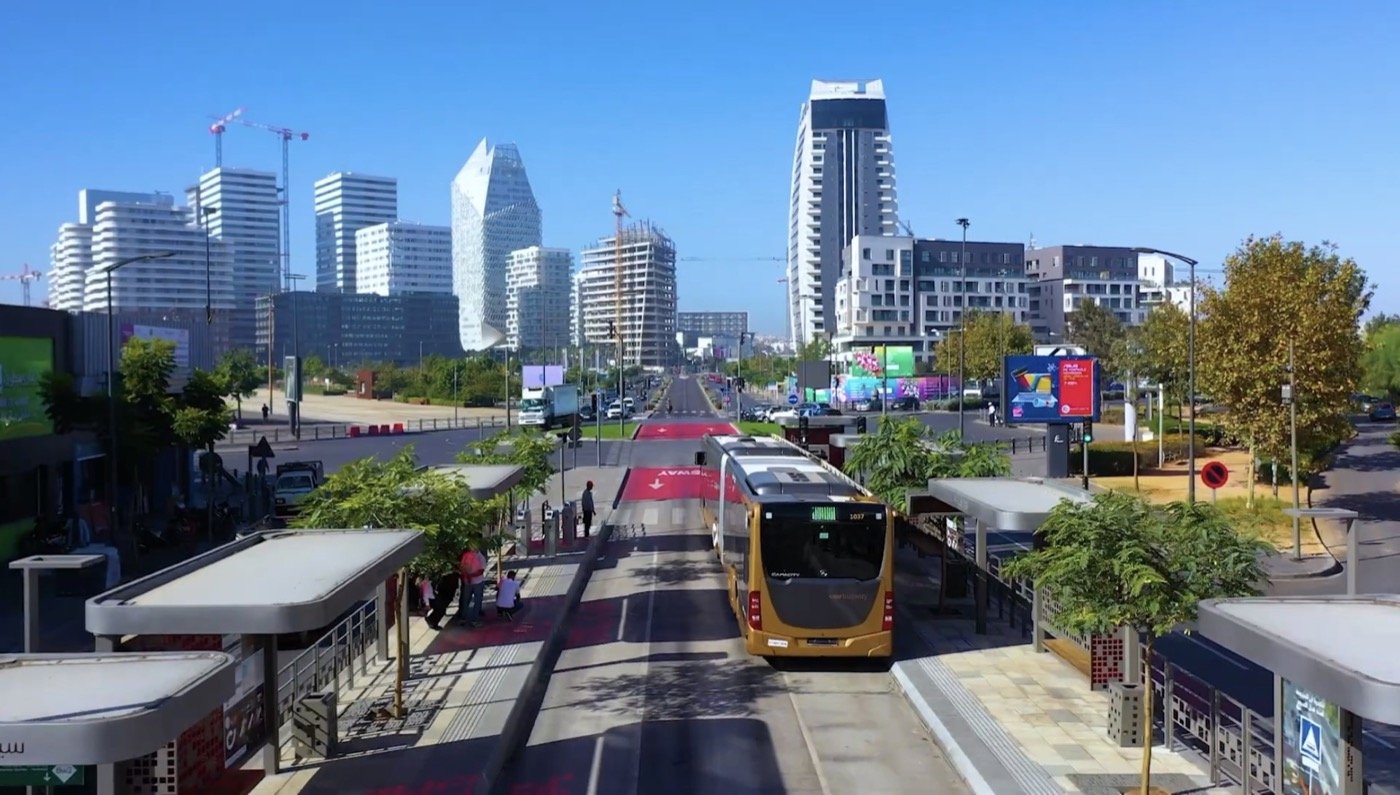
Le tramway est moderne, bon marché, et constitue la plus agréable surprise de la ville. Achetez ou rechargez une carte à la machine sur le quai, et gardez votre sac devant vous aux heures de pointe, quand les rames se compressent et que les poches sont faciles d’accès. La même règle que dans n’importe quel tramway, partout.
Les trains sont excellents. Casa-Voyageurs est la gare principale et le point de départ de la ligne à grande vitesse Al Boraq vers Rabat et Tanger ; Casa-Port se trouve près de la médina et de la marina. Un train relie également l’aéroport Mohammed V à la ville, et c’est l’arrivée la plus tranquille qui soit. Notre guide pour voyager avec l’ONCF et Al Boraq comme un local couvre les billets et les classes.
Les applications de VTC ne sont pas la solution ici. Les grandes applications internationales ont quitté le Maroc il y a des années et ce qui subsiste évolue dans un flou juridique — des applications apparaissent, des chauffeurs se font arrêter, la couverture est irrégulière. Ne construisez pas votre soirée autour de l’une d’elles. Demandez plutôt à votre restaurant ou à votre hôtel d’appeler un taxi ; ils le font en permanence et le chauffeur arrive en connaissant l’adresse.
La marche est agréable et souvent la meilleure façon de découvrir le centre — mais soyez lucide sur le vrai risque à Casablanca : la circulation. Les trottoirs sont irréguliers, les scooters les empruntent, et les conducteurs considèrent un passage piéton comme une négociation. Traversez quand les habitants traversent, de leur côté, et ne vous engagez jamais en supposant qu’une voiture s’arrêtera. Cette seule habitude élimine la manière la plus probable dont un visiteur se blesse dans cette ville.
Casablanca la nuit
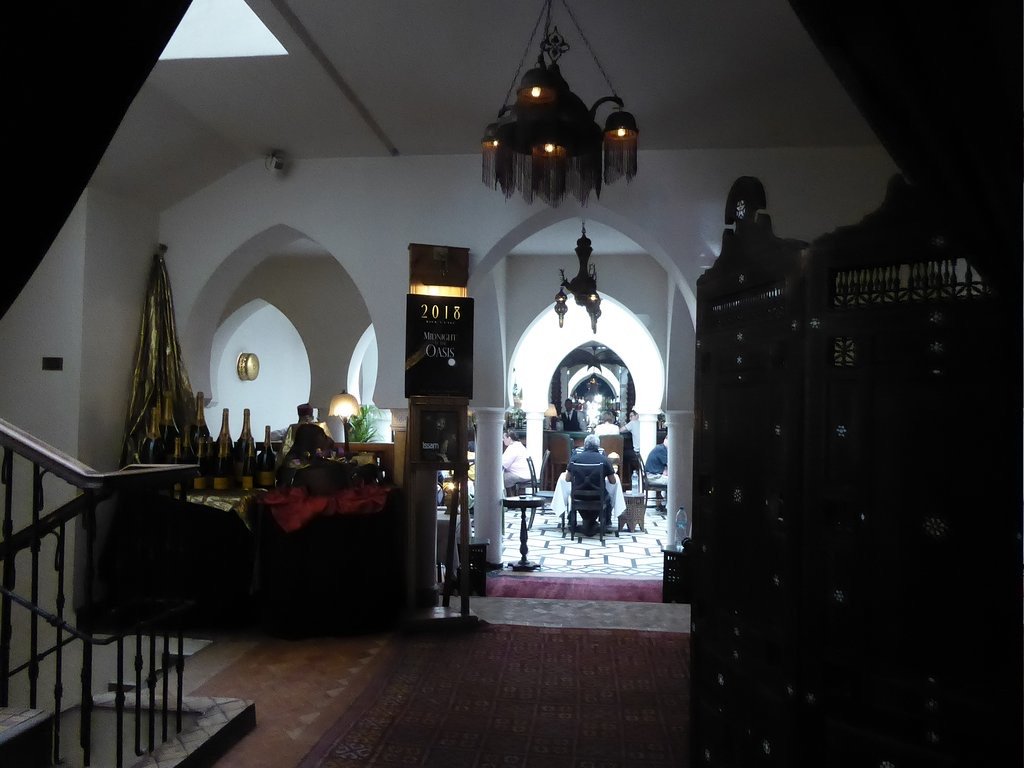
Casablanca est une véritable ville nocturne — elle concentre simplement ses nuits dans des endroits précis plutôt que de les disperser partout. Connaissez la carte et la soirée devient facile.
Animé et bien éclairé : La rue Jean Jaurès et les rues du Maârif alentour, les terrasses de cafés et de restaurants de Gauthier et Racine, la corniche d’Aïn Diab, et les grands centres commerciaux d’Anfa Place et de Morocco Mall, qui restent ouverts bien plus tard qu’on ne l’imagine et sont remplis de familles.
Ce qui change à la nuit tombée : les quartiers d’affaires et le centre-ville se vident dès que les bureaux ferment, et la médina, les Habous et Derb Omar s’éteignent presque entièrement. Une rue noire de monde à 18:00 peut être calme à 21:30. C’est un changement d’ambiance plutôt qu’un changement de risque — mais c’est la raison d’être de la règle du taxi.
Les chauffeurs de taxi deviennent aussi plus sélectifs tard le soir, et préfèrent plus volontiers un prix fixe au compteur. Mettez-vous d’accord avant que la portière ne se referme, et vous éviterez la seule discussion que vous risquez d’avoir de tout le séjour.
Pendant le Ramadan, tout l’emploi du temps s’inverse : la ville est assoupie l’après-midi puis se réveille complètement après l’iftar, et les rues sont alors les plus chaleureuses et les plus conviviales de l’année. C’est un moment délicieux pour être ici le soir.
Rentrer est simple : demandez à l’établissement de vous appeler un taxi, et prévenez quelqu’un que vous êtes en route. Si vous utilisez notre application gratuite, un minuteur Check-on-Me s’en charge pour vous — vous le lancez en partant, et si vous ne donnez pas signe de vie, votre Safety Circle est prévenu. Partager sa position en direct avec quelqu’un resté à la maison fonctionne tout aussi bien ; notre plan de contact familial explique comment le mettre en place pour que personne ne s’inquiète.
Voyageurs en solo, et femmes seules
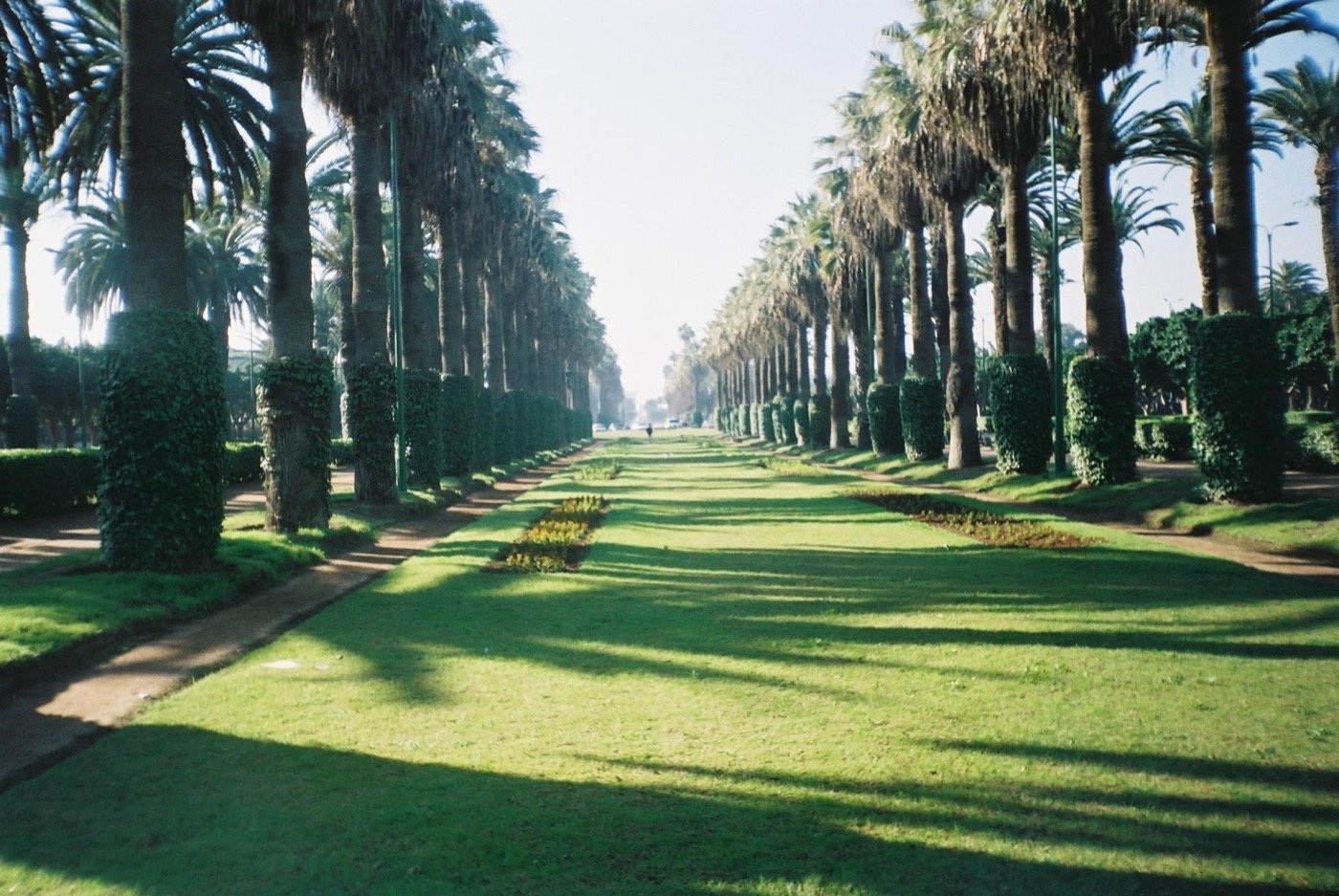
Casablanca est la ville la plus cosmopolite du Maroc, et cela se voit. Les femmes travaillent dans tous les bureaux, les cafés sont mixtes, et les tenues vont de la djellaba aux dernières nouveautés des podiums. En voyage en solo, vous attirez bien moins l’attention ici que dans une petite ville ou une médina touristique.
Soyons clairs sur ce qui arrive vraiment, parce que prétendre le contraire n’aide personne. Les femmes seules reçoivent des remarques dans la rue. Quelqu’un se met à marcher à votre hauteur, vous demande d’où vous venez et insiste. Une conversation en terrasse s’éternise plus que vous ne le souhaitez. C’est de l’attention, pas du danger — mais c’est fatigant, et vous avez le droit de trouver cela fatigant.
Ce qui fonctionne, d’après les femmes qui vivent ici :
- Marchez comme si vous aviez dix minutes de retard à un rendez-vous. La détermination met fin à la plupart des approches avant même qu’elles ne commencent.
- « La, shukran » — non, merci — une seule fois, sans croiser le regard, sans ralentir. N’expliquez pas, et ne soyez pas polie une deuxième fois. La politesse est perçue comme de l’intérêt.
- Les lunettes de soleil et les écouteurs sont des outils tout à fait légitimes. Entrer dans n’importe quelle boutique ou n’importe quel café pour semer quelqu’un l’est aussi.
- Choisissez des terrasses animées et mixtes. Casablanca en compte des centaines, et vous ne serez pas la seule femme assise seule.
- Prenez un taxi plutôt que de marcher une fois la nuit tombée, même sur de courtes distances, et asseyez-vous à l’arrière si vous êtes seule.
- Pour un premier séjour, un hôtel avec une entrée éclairée et une réception de nuit vaut mieux qu’une jolie maison d’hôtes au bout d’une ruelle sans éclairage.
Une chose à savoir : le harcèlement de rue est un délit au Maroc depuis l’entrée en vigueur de la loi 103-13 en 2018. Dire à voix haute que vous allez appeler la police n’est pas une menace en l’air ici, et vous tourner vers un commerçant ou un patron de café vous vaut presque toujours un soutien immédiat. Les Marocains trouvent ce comportement gênant et interviennent.
Notre guide plus complet, le Maroc est-il sûr pour les femmes, va plus loin sur la tenue, l’hébergement et les villes à médina. Et dites votre programme de la journée à une personne — un Safety Circle dans l’application, ou un message à un ami. Cela ne coûte rien et cela change ce que vous ressentez en passant la porte.
Ce qu’il ne faut pas faire
- Ne marchez pas sur la plage ni sur le sable en contrebas de la corniche après la tombée de la nuit. Restez en haut, sur le boulevard éclairé.
- Ne tenez pas votre téléphone à la main au bord d’une route passante — le seul vol de rue courant à Casablanca est le vol à l’arraché depuis un scooter qui passe.
- N’acceptez pas un guide qui vous a abordé. Réservez-en un par votre hôtel ou la billetterie de la mosquée.
- Ne montez pas dans un taxi sans que le compteur tourne ou sans avoir convenu du prix à voix haute.
- N’achetez pas de drogue. C’est illégal, et la proposition est bien souvent le piège qui prépare la suite.
- Ne photographiez pas la police, les gendarmes, les sites militaires ni les palais royaux.
- Ne vous promenez pas avec votre passeport. Une photo sur votre téléphone, une copie papier et une carte bancaire suffisent ; laissez le reste dans le coffre.
- Ne mangez pas, ne buvez pas et ne fumez pas dans la rue en journée pendant le Ramadan. Personne ne vous mettra d’amende — c’est simplement ce qui distingue un invité d’un touriste.
- Ne vous disputez pas dans la rue. Passer votre chemin gagne à tous les coups, et ne vous coûte rien.
- Ne partez pas du principe qu’une voiture s’arrêtera pour vous. Traversez avec les habitants.
Les numéros d’urgence, et quoi faire
Enregistrez ces numéros avant d’atterrir. Ils sont courts, ils sont gratuits, et ils fonctionnent depuis n’importe quel réseau marocain.
À Casablanca même, il vous faut le 19. Sur la route entre les villes — en direction de Rabat, El Jadida ou de la côte — ce sera le 177, car c’est le territoire de la gendarmerie. Pour une urgence médicale, 15. Les opérateurs parlent généralement arabe et français ; restez simple et donnez la ville, puis le point de repère le plus proche, puis ce qui s’est passé. Notre page sur numéros d'urgence au Maroc contient la liste complète avec les formulations à utiliser.
Côté hôpitaux, le grand établissement, c’est le CHU Ibn Rochd dans le Quartier des Hôpitaux — le principal centre hospitalier universitaire public de Casablanca, et là où une ambulance emmènera un cas grave. Pour tout ce qui est moins sérieux, les cliniques privées regroupées autour de Maârif et Gauthier sont plus rapides et ont l’habitude des patients étrangers ; vous payez sur place et vous vous faites rembourser ensuite par votre propre assurance voyage, alors gardez chaque reçu. Nous détaillons un exemple concret de choix dans notre guide des meilleurs hôpitaux pour les touristes à Marrakech, et la même logique s’applique ici.
En pratique, si quelque chose tourne mal : rejoignez d’abord un endroit éclairé et fréquenté — un café, le hall d’un hôtel, une station-service — puis appelez. Rester sur place dans un lieu visible vaut presque toujours mieux que de se déplacer.
Notre application iOS gratuite existe précisément pour ce moment-là. Une pression sur SOS compose le bon numéro local là où vous vous trouvez, enregistre votre position GPS pour que vous puissiez la lire exactement à l’opérateur, et prévient votre Safety Circle que vous l’avez déclenché. Elle contient aussi un répertoire de 172 hôpitaux dans 31 villes et l’essentiel disponible hors ligne, pour que les numéros soient toujours là quand le réseau, lui, ne l’est pas.
En résumé
Casablanca est sûre, et elle est aussi sous-estimée. C’est une ville qui travaille, sans glamour, incroyablement vivante, qui ne s’est jamais déguisée pour les visiteurs, et les voyageurs qui lui accordent deux jours plutôt que deux heures repartent presque toujours en l’appréciant plus qu’ils ne l’imaginaient — les boulevards Art déco, la mosquée sur l’eau au coucher du soleil, les fruits de mer de la corniche, l’énergie brute de l’endroit.
Réservez à Gauthier, Racine, Maârif, Anfa ou Aïn Diab. Parcourez le centre à pied en journée et rentrez en taxi le soir. Dites « compteur » et gardez votre téléphone dans votre poche au bord d’une route passante. C’est vraiment tout.
Avant de prendre l’avion, faites deux petites choses : enregistrez le 19, le 15 et le 177 dans votre téléphone, et réglez votre connexion pour que la carte, l’adresse et l’appel fonctionnent dès la seconde où vous atterrissez. Puis allez profiter de la ville — voyez tout ce qu’il y a à faire dans notre guide des choses à voir à Casablanca, et si vous êtes encore en train de bâtir l’itinéraire d’ensemble, notre sélection pour une première visite est le point de départ idéal.
Foire aux questions
Casablanca est-elle sûre pour les touristes en 2026 ? Oui. Casablanca est sûre pour les visiteurs qui font preuve du bon sens habituel dans une grande ville. Les agressions violentes contre les touristes sont rares ; les risques réalistes sont les pickpockets dans les marchés bondés, le vol de téléphone à l’arraché au bord des routes passantes et les taxis sans compteur. C’est la circulation qui risque le plus de vous blesser, alors traversez prudemment.
Casablanca est-elle sûre la nuit ? Dans les bons quartiers, oui. Maârif, Gauthier, Racine et la corniche d’Aïn Diab restent éclairés et animés jusque tard dans la soirée. Le centre-ville, l’ancienne médina, les Habous et Derb Omar se vident après la fermeture des commerces — profitez-en de jour et rentrez en taxi à la nuit tombée.
Dans quel quartier loger à Casablanca ? Gauthier est le choix le plus simple pour une première visite : central, agréable à pied et animé le soir. Racine est plus calme, Maârif est idéal pour le shopping et les taxis, Anfa est tranquille mais impose de prendre des taxis, et Aïn Diab vous met face à la mer. Évitez de réserver au seul critère du prix dans un quartier que vous ne pourrez pas rejoindre le soir.
Casablanca est-elle sûre pour les voyageuses seules ? Oui, et c’est la plus décontractée des grandes villes marocaines pour les femmes, avec des cafés mixtes et des tenues très variées. Attendez-vous à des remarques dans la rue plutôt qu’à un danger. Marchez d’un pas décidé, dites une fois « la, shukran » sans croiser le regard, installez-vous sur les terrasses animées et prenez des taxis à la nuit tombée. Le harcèlement de rue est un délit pénal au Maroc depuis 2018.
Les taxis sont-ils sûrs à Casablanca ? Oui. Les petits taxis rouges ont un compteur et restent dans la ville ; les grands taxis blancs suivent des itinéraires fixes et assurent l’aéroport et les trajets interurbains. Dites « compteur, s’il vous plaît » en montant, et si le chauffeur refuse, prenez le taxi suivant. Un chauffeur qui prend un autre passager allant dans votre direction, c’est normal, pas une arnaque.
L’ancienne médina de Casablanca est-elle sûre à visiter ? De jour, oui — elle est petite, pleine de caractère et vaut bien une heure près du port. Gardez votre sac devant vous et votre téléphone rangé dans les ruelles étroites. Elle est mal éclairée et presque entièrement fermée le soir, ce n’est donc pas un endroit où revenir flâner à la nuit tombée lors d’un premier voyage.
Quel numéro d’urgence appeler à Casablanca ? Composez le 19 pour la police en ville, le 15 pour une ambulance ou le SAMU, et le 177 pour la gendarmerie lorsque vous êtes sur la route, hors des limites de la ville. Enregistrez les trois avant d’arriver. Le principal hôpital public de Casablanca est le CHU Ibn Rochd, dans le Quartier des Hôpitaux.
Nous sommes l’équipe à l’origine de Stay Safe Morocco, l’application iOS gratuite de sécurité pour les visiteurs du Maroc. Nous avons créé le SOS en une seule pression qui compose les vrais numéros d’urgence du Maroc, l’annuaire de 172 hôpitaux dans 31 villes, et le Safety Circle qui reçoit votre position dès l’instant où vous appuyez sur SOS. Nous vivons et travaillons ici, et nous tenons ce guide à jour.
🛡 Atterrissez au Maroc déjà connecté — et en sécurité
Chaque eSIM StaySafe Morocco est fournie avec SOS Familial gratuit: one tap to reach emergency help and share your live location with your family. No data cap, keep your number, from $20.79.
Obtenez votre eSIM + SOS Familial →Explorer le Maroc — guides des villes
- Agadir
- Les plus beaux endroits à visiter au Maroc : la sélection idéale pour un premier voyage
- Les meilleures choses à faire à Marrakech : le guide essentiel
- Casablanca
- Chefchaouen
- El Jadida
- Guide culturel d'Essaouira : musique gnaoua, art et vie locale
- Essaouira
- Fes
- Marrakech en été : piscines, chaleur et comment rester au frais
- Marrakech
- Meknes
- Nador
- Ouarzazate
- Oujda
- Lieux à visiter à Marrakech : le programme jour par jour du primo-visiteur
- Rabat
- Safi
- Tanger
- Tétouan