Sí — Marruecos es seguro para las mujeres, incluidas las que viajan solas. Miles de mujeres que viajan solas recorren Marrakech, Fez, Chauen y el Atlas cada mes sin incidentes. La salvedad honesta es esta: Marruecos exige a las mujeres algo más de navegación social que, digamos, Portugal o Japón. La atención en la calle, los vendedores insistentes y los “guías” no solicitados son habituales. La delincuencia grave contra turistas no lo es. Casi todo lo que las mujeres describen aquí como difícil es *molesto*, no peligroso — y casi todo se maneja una vez que sabes cómo funciona.
Esta guía es la versión práctica: lo que viven realmente las mujeres, qué ponerse (y qué de verdad da igual), cómo manejar el zoco, los taxis y los riads, y los pequeños hábitos que convierten un viaje receloso en uno genuinamente alegre. Para el panorama nacional más amplio, lee nuestra guía completa de seguridad en Marruecos; para el detalle ciudad por ciudad, ¿Es segura Marrakech? profundiza en la medina.
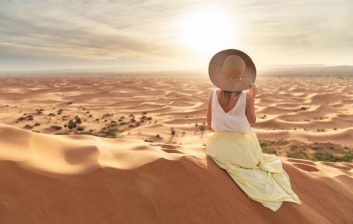
Lo que viven realmente las mujeres solas en Marruecos
Lo que más cuentan las mujeres que viajan por Marruecos no es miedo — es atención. Comentarios en la calle (“Bonjour, gazelle”, “¿De dónde eres?”), hombres que te indican direcciones que no has pedido, comerciantes que te siguen unos pasos. Es verbal, es insistente y casi siempre tiene que ver con una venta o con el ego, no con una amenaza. Los delitos violentos contra mujeres extranjeras son raros, y la sociedad marroquí es profundamente protectora con sus invitados — si alguna situación te da mala espina, entrar en una tienda, un café o un riad suele acabar con ella de inmediato, porque el personal se ocupará por ti.
Lo segundo que cuentan las mujeres es la calidez. Familias que te invitan a sentarte. Mujeres en las tiendas que te colocan bien el pañuelo. Dueños de riad que escriben para comprobar que has vuelto. Marruecos es un país donde te cuidarán más veces de las que te incordiarán — y que ambas cosas sean ciertas a la vez es justo lo que hace que viajar aquí sea tan gratificante.
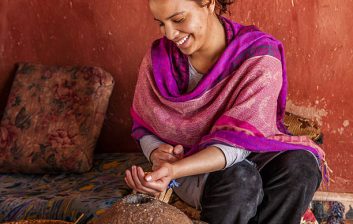
Qué ponerse — la respuesta honesta
Marruecos no tiene código de vestimenta para los visitantes. Verás a marroquíes en vaqueros, en vestido, con hiyab y sin él. Nadie te parará por llevar los hombros al aire. Pero la ropa sí cambia el volumen de atención que recibes, y la mayoría de las mujeres comprueban que ir holgada y cubierta simplemente hace el día más tranquilo.
El término medio práctico: hombros y rodillas cubiertos en medinas, zocos, pueblos y zonas rurales; lo que te apetezca en Gueliz (Marrakech), en los recintos de hoteles y resorts, y en los clubes de playa de Agadir o Esauira. Holgado gana a ajustado más de lo que largo gana a corto. Un pañuelo ligero en el bolso es la prenda más útil que puedes llevar — sol, polvo, mezquitas y una cobertura rápida, todo en uno.
Las cinco situaciones que conviene conocer de antemano
Casi todos los momentos incómodos que describen las mujeres en Marruecos encajan en una de estas situaciones. Ninguna es una emergencia; todas tienen una salida limpia y educada.
Alguien insiste en que tu ruta está cortada o en que el zoco es “por aquí”, te lleva a otro sitio y luego te pide dinero. Di “la, shukran” (no, gracias), sigue caminando y no le sigas. Pregunta la dirección a comerciantes y a mujeres en lugar de a hombres por la calle.
Silbidos y “hola, guapa” al pasar. La respuesta más eficaz es no responder — ni sonrisa, ni contacto visual, ni réplica. Entrar al trapo, aunque sea para rechazar, se interpreta como una apertura.
Té, cumplidos y luego presión para comprar. El té es hospitalidad de verdad, no una obligación. “Hoy solo estoy mirando, gracias”, repetido con calma, funciona; nunca debes una compra.
Incómodo, pero normalmente es un captador insistente. Entra en cualquier café, farmacia o recepción de hotel y párate. El personal intervendrá sin que tengas que explicar demasiado.
Las medinas se vacían y se vuelven laberínticas al anochecer. Quédate en las arterias principales iluminadas y pide a tu riad que te reciba en un punto de referencia conocido — la mayoría lo hacen gratis y prefieren que lo pidas.
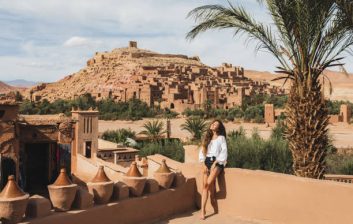
Taxis, transporte y volver a casa de noche
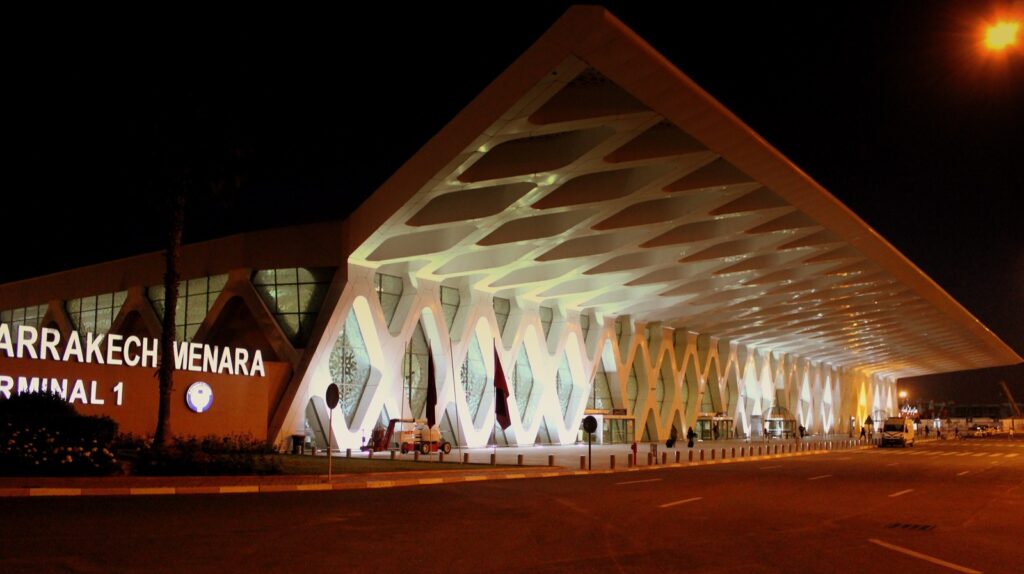
El transporte es donde un poco de información ahorra más estrés. Los petits taxis son los pequeños coches urbanos con color según la ciudad (rojos en Marrakech, azules en Rabat, blancos en Casablanca) y llevan taxímetro por ley — pide “compteur, s’il vous plaît” al subir. Si el conductor se niega a poner el taxímetro, acuerda el precio antes de arrancar o coge el siguiente. Siéntate detrás. Los trayectos al aeropuerto son el punto clásico de sobrecoste; nuestra guía del aeropuerto de Marrakech a la medina indica las tarifas reales.
Los trenes son excelentes y cómodos para las mujeres que viajan solas — la primera clase de ONCF te asigna un asiento en un compartimento de seis personas, algo que muchas viajeras solas prefieren de noche. Nuestra guía de trenes en Marruecos trata las reservas y las rutas. Careem e inDrive operan en las grandes ciudades y eliminan por completo la negociación de la tarifa.
Elegir dónde duermes
El alojamiento importa para las mujeres más que casi cualquier otra decisión del viaje, porque un buen riad se convierte en tu campamento base, tu enlace y tu red de seguridad.
- Lee concretamente las reseñas escritas por mujeres que viajan solas — mencionan lo que importa: si el personal acompaña a las huéspedes hasta la puerta, cómo de iluminada está la calle de acceso, si hay alguien en la entrada por la noche.
- Pide que te recojan la noche de tu llegada. Los riads dentro de las medinas son casi imposibles de encontrar con maletas y de noche. La mayoría ofrecen un mozo o un punto de encuentro en una puerta.
- Prefiere una entrada con personal antes que un apartamento con código para tus primeras noches en una ciudad nueva.
- Guarda la ubicación exacta sin conexión antes de aterrizar — las direcciones de la medina a menudo no aparecen en las apps de mapas, así que coloca un marcador manualmente.
- Fíjate en la puerta más cercana (p. ej. Bab Doukkala, Bab Boujloud). Es lo que le dirás al taxista, no el nombre de la calle.
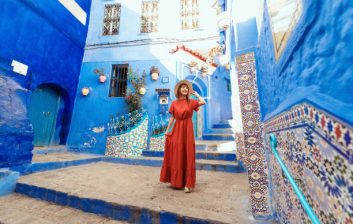
Estar conectada es la verdadera mejora de seguridad
La mayor diferencia entre un viaje estresante y uno con confianza es estar en línea desde que aterrizas. Conectada, puedes abrir un mapa cuando un “guía” te dice que la carretera está cortada, llamar a tu riad, pedir un coche y compartir tu ubicación en directo con alguien en casa. Sin conexión, cada problema pequeño se hace más grande.
Una eSIM es la forma más sencilla de hacerlo — se activa antes de volar, así que tienes datos al bajar del avión en lugar de hacer cola en un mostrador del aeropuerto. Nuestros packs son de 10 GB, 15 GB y 20 GB, desde 9 $ (10 GB incluyen alrededor de una hora de llamadas; 15 GB y 20 GB unas dos). Si prefieres comparar opciones primero, consulta la mejor eSIM para Marruecos.
Números de emergencia que guardar antes de volar
Vale la pena memorizar uno: 112 funciona desde cualquier teléfono en Marruecos, incluso sin SIM ni saldo. La app de Stay Safe Morocco los mantiene en una pantalla de SOS con un toque que funciona sin conexión, registra tu ubicación y marca el número local por ti — así no tienes que traducir una dirección bajo presión.
Dónde suelen sentirse más cómodas las mujeres
Si es tu primer viaje y quieres un comienzo suave, la costa y el norte son bastante más tranquilos que las grandes medinas imperiales:
- Essaouira — pequeña, muy caminable, ventilada y la medina más relajada del país para mujeres solas. Una primera parada estupenda.
- Chefchaouen — compacta, tranquila al caer la noche y acostumbrada a viajeros independientes que pasean con la cámara.
- Rabat — la capital, moderna, sin agobios y fácil de recorrer en tranvía.
- Marrakech y Fez — las más gratificantes y las más intensas. Ambas son perfectamente factibles; solo planifica llegar de día y date una jornada para coger el ritmo.
Pequeños hábitos que marcan la mayor diferencia
- Camina como si supieras adónde vas, aunque no sea así. Entra en una tienda para mirar el mapa en lugar de pararte en mitad de la calle.
- “La, shukran” — no, gracias. Dicho una vez, con calma, sin aminorar el paso. Es la frase más útil que aprenderás.
- Un anillo de casada y un “mi marido me espera luego” es un truco muy visto que aún corta las conversaciones rápido. Úsalo si quieres; ignóralo si prefieres.
- Comparte el plan del día con alguien — una amiga, tu familia, tu riad. Que alguien sepa más o menos dónde estás vale más que cualquier aparato.
- Lleva cambio pequeño. Sacar un billete de 200 MAD en un taxi o en el zoco invita al numerito del “no tengo cambio”.
- Fíate de la señal de incomodidad. Si una situación te da mala espina, márchate. No le debes a nadie una cortesía que te perjudique.
Ramadán, mezquitas y momentos culturales
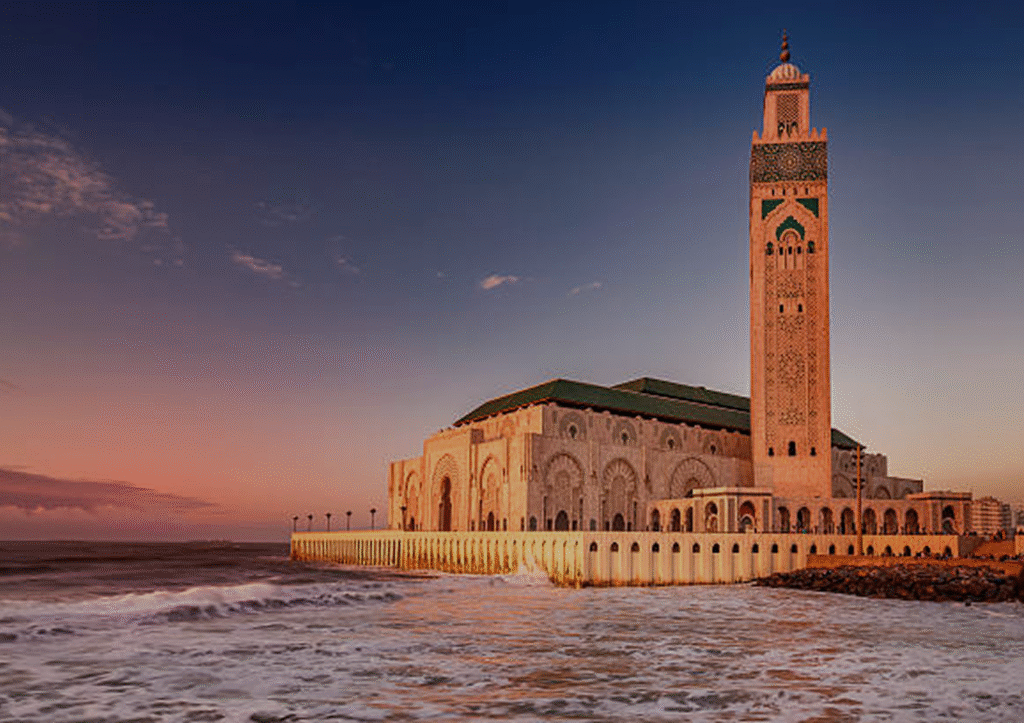
Durante el Ramadán, las cafeterías pueden cerrar de día y las calles quedan en silencio hasta el atardecer — y luego cobran una vida espléndida. Es una época preciosa para visitar el país, pero come y bebe con discreción en público por respeto. Los no musulmanes no pueden entrar en la mayoría de las mezquitas en uso (la Hassan II de Casablanca es la famosa excepción, con visitas guiadas). Las muestras de afecto en público se mantienen discretas, y que parejas no casadas compartan habitación es ya lo normal en los alojamientos turísticos. Nada de esto se aplica a los visitantes con severidad alguna — es simplemente el carácter local, y viajar a favor de él hace que todo fluya mejor.
En resumen
Marruecos es seguro para las mujeres, y el país recompensa a quienes llegan preparadas en lugar de nerviosas. La versión realista: espera atención, espera insistencia, espera decir “no” más a menudo de lo que lo harías en casa — y espera que ahí se quede la cosa. Vístete un poco holgada, reserva un riad que te cuide, usa taxis con taxímetro, aterriza con datos en el móvil y ten guardado el 112. Haz eso y Marruecos deja de ser un país frente al que te pones en guardia para convertirse en uno de los lugares más generosos, sensoriales y memorables por los que viajarás sola. La confianza es lo que lo desbloquea — y aquí la confianza es, sobre todo, preparación.
Preguntas frecuentes
¿Es Marruecos seguro para una mujer que viaja sola? Sí. Viajar sola por Marruecos es habitual y la gran mayoría de los viajes transcurren sin incidentes. El problema realista es la atención insistente en la calle y los “guías” no solicitados, más que la delincuencia grave. Reservar un riad con buenas reseñas, usar petits taxis con taxímetro y evitar los callejones sin luz de la medina a última hora cubre casi todo.
¿Qué deben ponerse las mujeres en Marruecos? No existe ningún código de vestimenta legal para los visitantes. La mayoría de las mujeres comprueban que la ropa holgada que cubre hombros y rodillas reduce notablemente la atención en la calle en medinas, zocos y zonas rurales, mientras que en barrios modernos, resorts y playas vale todo. Un pañuelo ligero es la prenda más versátil que puedes llevar.
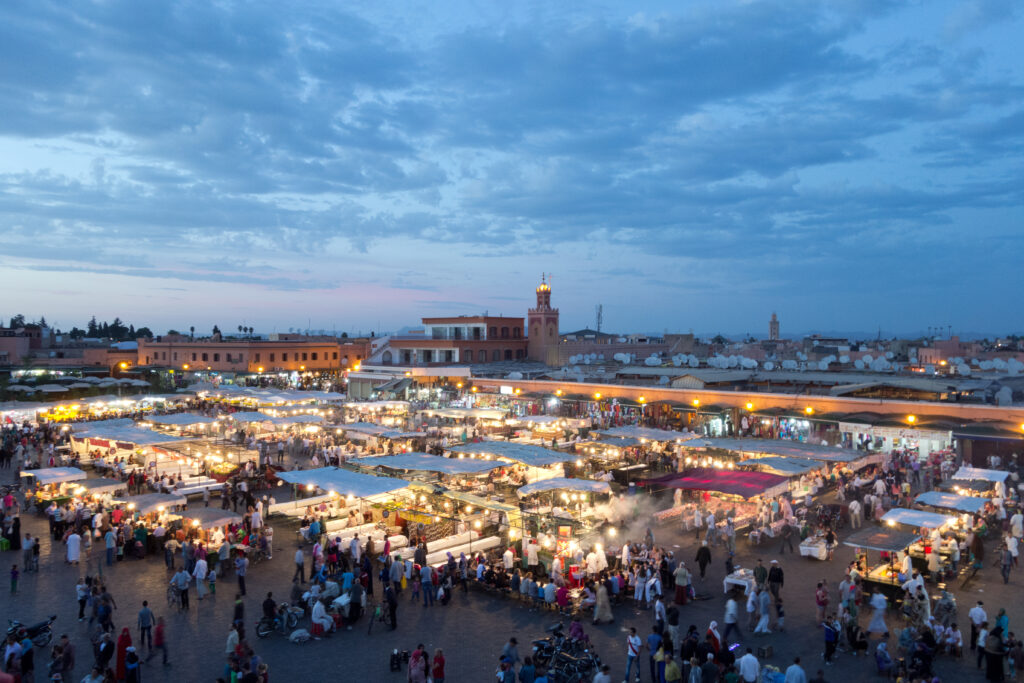
¿Es seguro que las mujeres paseen por las medinas marroquíes de noche? Las calles principales iluminadas y las plazas concurridas como Jemaa el-Fna siguen animadas y en general no dan problemas. Es mejor evitar sola los callejones estrechos sin luz al caer la noche — no por criminalidad alta, sino porque las medinas desorientan y se vacían. Pide a tu riad que te reciba en una puerta cercana; la mayoría lo harán encantados.
¿Cómo gestionan las mujeres el acoso en Marruecos? La respuesta más eficaz a los comentarios en la calle es no responder en absoluto — sin contacto visual, sin réplica, sigue caminando. Si alguien te sigue, entra en una tienda, café, farmacia o recepción de hotel; el personal suele intervenir. Para algo serio, el 112 funciona desde cualquier teléfono en Marruecos, incluso sin SIM ni saldo.
¿Qué ciudades marroquíes son más fáciles para mujeres que viajan solas por primera vez? Esauira, Chauen y Rabat son las más relajadas — más pequeñas, más tranquilas y acostumbradas a viajeros independientes. Marrakech y Fez son las más gratificantes pero las más intensas; llega de día y date una jornada para adaptarte.
🛡 Llega a Marruecos ya conectado — y seguro
Cada eSIM de StaySafe Morocco incluye SOS Familiar gratis: one tap to reach emergency help and share your live location with your family. No data cap, keep your number, from $20.79.
Consigue tu eSIM + SOS Familiar →Antes de ir — guías relacionadas
- ¿Es Marruecos seguro para los turistas?
- Números de emergencia en Marruecos
- Estafas comunes en Marruecos & cómo evitarlas
- Cómo conseguir Internet y datos móviles en Marruecos
- Cómo conseguir una SIM / eSIM en Marruecos
- La mejor eSIM para Marruecos: planes y precios
- Compra una eSIM de Marruecos: datos sin límite, tus fechas
- Configuración de la eSIM de Marruecos: compatibilidad y activación
- ¿Qué es una eSIM y cómo funciona?
Explora Marruecos — guías de ciudades
- Agadir
- Los mejores lugares que visitar en Marruecos: la lista esencial para tu primer viaje
- Las mejores cosas que hacer en Marrakech: la guía esencial
- Casablanca
- Chefchaouen
- El Jadida
- Guía cultural de Essaouira: música gnaua, arte y vida local
- Essaouira
- Fez
- Marrakech en verano: piscinas, calor y cómo mantenerse fresco
- Marrakech
- Meknes
- Nador
- Ouarzazate
- Oujda
- Lugares que visitar en Marrakech: un mapa día a día para primerizos
- Rabat
- Safi
- Tánger
- Tétouan