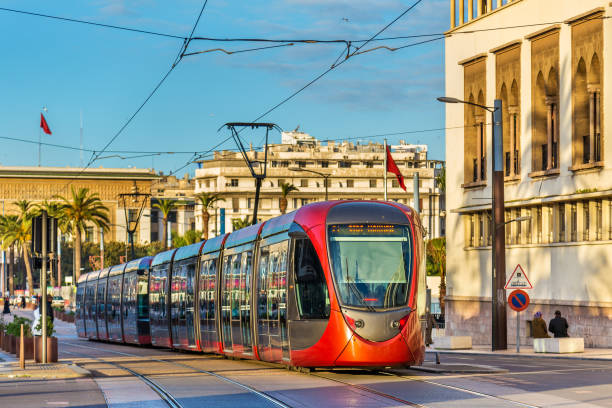
Marruecos tiene una de las mejores redes ferroviarias de África — y la mayoría de quienes lo visitan por primera vez no lo sabe. El país opera la primera línea de alta velocidad del continente, el Al Boraq, que cubre Tánger–Casablanca en unas dos horas y diez minutos, además de una malla de cómodos trenes clásicos que enlazan Rabat, Fez, Mequinez y Marrakech. Los billetes son baratos, las estaciones son modernas y la vista desde un asiento de ventanilla — olivares, estribaciones del Atlas, pueblos encalados — es por sí sola uno de los momentos altos del viaje.
Esta guía explica cómo funcionan realmente los trenes en Marruecos: hasta dónde llega la red (y hasta dónde no), cómo comprar billetes, qué te dan de verdad la primera y la segunda clase, y unos cuantos hábitos tranquilos que hacen que los días de estación resulten fáciles. Viajar en tren aquí no es una aventura para la que haya que armarse de valor — es de verdad una de las formas más sencillas de conocer el país.
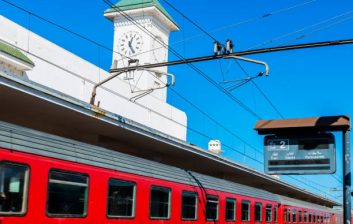
Al Boraq: el primer tren de alta velocidad de África
Inaugurado en noviembre de 2018, el Al Boraq circula entre Tánger y Casablanca vía Kenitra y Rabat, alcanzando los 320 km/h en su tramo de alta velocidad. Tánger–Rabat lleva alrededor de una hora y veinte minutos; el trayecto completo hasta Casablanca ronda las dos horas y diez — un viaje que por carretera son cinco o seis horas. Los trenes son modernos, con aire acondicionado y plaza reservada en su totalidad, con vagón cafetería y asientos cómodos en ambas clases. Si tu ruta toca el corredor Tánger–Casablanca, esta es la forma de recorrerlo. Muchos visitantes que llegan en ferry desde España bajan del barco y suben al Al Boraq esa misma tarde.
Adónde llegan los trenes — y adónde no
El operador nacional es ONCF (Office National des Chemins de Fer), y su red conecta la mayoría de las ciudades que los viajeros visitan de verdad:
- Casablanca–Marrakech: trenes clásicos cómodos, unas tres horas, durante todo el día.
- Casablanca/Rabat–Fez: vía Mequinez, unas tres horas y media o cuatro desde Casablanca — un trayecto precioso entre campos y colinas hacia la antigua capital imperial de Fez.
- Tánger–Casablanca: la línea de alta velocidad Al Boraq descrita más arriba.
- Casablanca–Uchda: la larga línea del este, con una opción nocturna con literas.
Igual de importante es adónde no’ llegan: no hay línea de tren a Chauen, Esauira, Agadir ni el Sáhara. Para esos destinos cambiarás a autobuses o taxis compartidos — más abajo lo vemos. Planifica tu ruta en torno al eje ferroviario (Tánger–Rabat–Casablanca y luego los ramales a Marrakech y Fez) y el país entero se abre con orden.
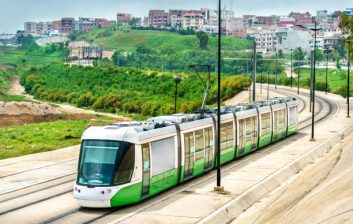
Billetes, clases y lo que cuestan
Comprar billetes es sencillo: usa la web o la app de ONCF, las máquinas de las estaciones o las taquillas atendidas (el personal de las grandes estaciones suele hablar francés y el inglés suficiente para ayudarte). Las tarifas son agradablemente bajas — cuenta con unos 100–150 dirhams (unos 10–15 $) en segunda clase entre Casablanca y Marrakech, y alrededor de 200–350 dirhams para el Al Boraq según la clase y cuándo reserves. La primera clase te asegura un asiento garantizado en un vagón más tranquilo y espacioso por solo un poco más; en las rutas clásicas concurridas merece la pena, ya que la segunda puede llenarse los fines de semana y festivos. En el Al Boraq las plazas son reservadas en ambas clases, así que allí basta con elegir la que encaje con tu presupuesto.
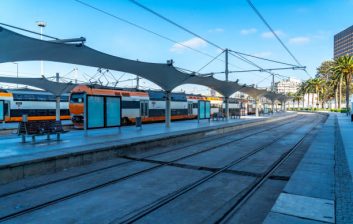
Cómo es viajar en un tren marroquí
Relajado, en general. El tren es una porción de la vida cotidiana marroquí: estudiantes que vuelven a casa, familias con su picnic, gente de negocios entre Rabat y Casablanca. Casi siempre habrá alguien que te ayude a subir la maleta al portaequipajes, y es normal que te ofrezcan compartir lo que tus compañeros de asiento saquen para picar. Los vagones del material moderno tienen aire acondicionado; un carrito o un vagón cafetería cubre el café y el agua en los trayectos largos, aunque llevar tu propia botella es buena idea en verano. Los avisos son en árabe y en francés, así que echa un ojo a los carteles de la estación o al mapa del móvil según te acerques a tu parada — los andenes están claramente señalizados y las paradas son lo bastante largas como para que no tengas que correr.
Hábitos sencillos en la estación que hacen el viaje fluido
Las estaciones marroquíes — sobre todo las nuevas y relucientes de Casablanca, Rabat, Tánger y Marrakech — son fáciles de recorrer. Unos pocos hábitos lo dejan todo sin fricciones:
Tiempo de sobra para encontrar tu andén con calma y tomar un café. Los andenes del Al Boraq tienen control de billetes antes de embarcar, así que cuenta con unos minutos extra.
La misma regla de sentido común que en cualquier estación concurrida de Europa: el equipaje en el portaequipajes sobre tu asiento o a tus pies, los objetos de valor encima. Los hurtos son poco frecuentes en los trenes, y así es como se mantienen así.
¿Aterrizas en Marrakech y vas a Fez dentro de tres días? Compra ese billete mientras ya estás en la estación — se tarda dos minutos y evita cualquier sorpresa de fin de semana festivo.
Los petits taxis esperan a la salida de cada estación importante. Pide el taxímetro o acuerda la tarifa antes de arrancar — nuestra guía de llegada a Marrakech recoge las tarifas habituales y la misma lógica se aplica en las estaciones de tren.
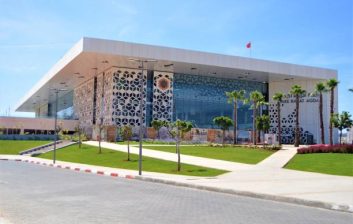
Más allá del tren: autobuses y grands taxis
Donde acaban las vías, toman el relevo los excelentes autobuses interurbanos de Marruecos. Supratours — el brazo de autocares de la propia ONCF — está pensado para enlazar con los trenes: llega a Marrakech en tren y continúa en Supratours hasta Esauira (unas tres horas) o Agadir. CTM es el otro operador nacional fiable, con autocares modernos, etiquetas de equipaje y horarios fijos reservables en línea. Para Chauen, los autobuses desde Tánger o Fez son la ruta habitual. Los grands taxis (Mercedes o furgonetas compartidas que cubren rutas interurbanas fijas) rellenan los huecos restantes — paga dos plazas si quieres el asiento delantero para ti. Entre trenes, Supratours y CTM puedes cruzar el país entero cómodamente sin alquilar nunca un coche.
Mantenerse conectado por el camino
Un asiento junto a la ventanilla es mejor con datos. En Marruecos no conviene contar con el wifi del tren, pero la cobertura 4G a lo largo de los principales corredores ferroviarios es buena — así que un plan de datos local significa mapas en directo, confirmaciones de billetes y videollamadas a casa desde tu asiento. Una eSIM es la forma más fácil de conseguirlo: instálala antes de volar y estarás en línea nada más aterrizar, sin colas en ninguna tienda. Los planes de Stay Safe Morocco empiezan en 9 $ por 10 GB, con opciones de 15 GB y 20 GB para viajes más largos.
La conectividad es además tu capa discreta de seguridad. Con la app de Stay Safe Morocco, un toque en SOS marca el número de emergencia local correcto y registra tu posición GPS exacta — tranquilizador cuando estás en algún punto entre estaciones y los nombres de los pueblos te resultan nuevos. Y como lo esencial funciona sin conexión, los números de emergencia de Marruecos van siempre en tu bolsillo incluso sin cobertura:
En resumen
Los trenes en Marruecos son baratos, cómodos, con buenas vistas y fáciles — una de las experiencias de viaje más infravaloradas del país. Construye tu itinerario en torno al eje ferroviario, reserva el Al Boraq para el corredor Tánger–Casablanca, deja que Supratours y CTM se ocupen de la costa y de las montañas, y te moverás por Marruecos con la misma soltura que los locales que comparten vagón contigo. El tren aquí premia exactamente la actitud que recomendamos para todo el país en nuestra guía de seguridad en Marruecos: un poco de preparación y luego relájate y disfruta del viaje.
Preguntas frecuentes
¿Son seguros los trenes de Marruecos para los turistas? Sí. Los trenes marroquíes los usan mucho las familias, los estudiantes y quienes viajan por trabajo, y los incidentes que afectan a turistas son raros. Aplica el sentido común habitual de cualquier estación — mantén tu bolsa a la vista y usa taxis oficiales a la salida — y el tren se convierte en una de las formas más relajadas de moverse por el país.
¿A qué velocidad va el tren Al Boraq? El Al Boraq alcanza los 320 km/h en su tramo de alta velocidad entre Tánger y Kenitra, cubriendo Tánger–Casablanca en unas dos horas y diez minutos — frente a cinco o seis horas por carretera.
¿Puedo tomar un tren de Marrakech a Chauen o Esauira? No — ninguna de las dos ciudades tiene línea de tren. Toma el tren hasta donde llegue y luego cambia a Supratours (que enlaza directamente con los trenes, incluido Marrakech–Esauira) o a los autobuses de CTM. Para Chauen, salen autobuses desde Tánger y Fez.
¿Hay que reservar los billetes de tren en Marruecos con antelación? Para el Al Boraq y para viajar en fin de semana o en festivos marroquíes, conviene reservar con uno o dos días de antelación en la app de ONCF, en la web o en una taquilla. En las líneas clásicas más tranquilas suele bastar con comprar el billete poco antes de salir.
¿Merece la pena la primera clase en los trenes marroquíes? Normalmente sí — cuesta solo un poco más y garantiza un asiento reservado en un vagón más tranquilo, algo que importa en rutas clásicas concurridas como Casablanca–Marrakech. En el Al Boraq ambas clases son reservadas y cómodas, así que la segunda tiene una relación calidad-precio excelente.
🛡 Llega a Marruecos ya conectado — y seguro
Cada eSIM de StaySafe Morocco incluye SOS Familiar gratis: one tap to reach emergency help and share your live location with your family. No data cap, keep your number, from $20.79.
Consigue tu eSIM + SOS Familiar →Antes de ir — guías relacionadas
- ¿Es Marruecos seguro para los turistas?
- Números de emergencia en Marruecos
- Estafas comunes en Marruecos & cómo evitarlas
- Cómo conseguir Internet y datos móviles en Marruecos
- Cómo conseguir una SIM / eSIM en Marruecos
- La mejor eSIM para Marruecos: planes y precios
- Compra una eSIM de Marruecos: datos sin límite, tus fechas
- Configuración de la eSIM de Marruecos: compatibilidad y activación
- ¿Qué es una eSIM y cómo funciona?
Explora Marruecos — guías de ciudades
- Agadir
- Los mejores lugares que visitar en Marruecos: la lista esencial para tu primer viaje
- Las mejores cosas que hacer en Marrakech: la guía esencial
- Casablanca
- Chefchaouen
- El Jadida
- Guía cultural de Essaouira: música gnaua, arte y vida local
- Essaouira
- Fez
- Marrakech en verano: piscinas, calor y cómo mantenerse fresco
- Marrakech
- Meknes
- Nador
- Ouarzazate
- Oujda
- Lugares que visitar en Marrakech: un mapa día a día para primerizos
- Rabat
- Safi
- Tánger
- Tétouan